

States Unanimously Demand Higher Wages for Midday Meal Workers
In a significant development, the majority of states and Union Territories across India have collectively urged the central government to substantially increase the monthly honorariums paid to cooks and helpers working under the PM-POSHAN midday meal scheme. This unified demand comes as part of ongoing discussions about improving and extending the crucial school nutrition program beyond the 2025-26 fiscal year.
Wide Disparities in Current Payment Structures
Current data reveals striking disparities in how different regions compensate their midday meal workers. While Kerala provides the highest monthly payment of Rs 12,000 to these essential workers, eight states and Union Territories continue to pay the bare minimum of just Rs 1,000 per month without any additional allowances. This minimal payment affects workers in states including Goa, Manipur, Nagaland, Sikkim, and Delhi, highlighting significant regional inequalities in worker compensation.
Other states have implemented varying supplemental amounts beyond the basic Rs 1,000. Tamil Nadu, for instance, pays between Rs 4,100 and Rs 12,500 monthly, while Puducherry offers Rs 10,000. These differences underscore the fragmented approach to worker compensation across the country.

Specific State Recommendations for Wage Enhancement
The Education Ministry's Department of School Education and Literacy documented detailed state recommendations during meetings held in October last year. Multiple states presented specific proposals for wage increases:
- Bihar, Arunachal Pradesh, Jharkhand, Jammu and Kashmir, Uttarakhand, Telangana, Gujarat, and Uttar Pradesh recommended increasing monthly payments to between Rs 2,500 and Rs 5,000
- Himachal Pradesh, Manipur, Rajasthan, and Sikkim proposed establishing a minimum daily wage of Rs 400
- Meghalaya and Tripura suggested a monthly honorarium of Rs 8,000
- Kerala advocated for Rs 10,000 monthly payments
- Ladakh, Lakshadweep, Mizoram, Nagaland, and Odisha supported enhancement without specifying exact amounts
Ongoing Advocacy and Government Response
This is not the first instance of states raising concerns about inadequate compensation for midday meal workers. The issue has surfaced repeatedly in annual meetings between state governments and the central administration, where budget allocations and planning for the PM-POSHAN scheme are discussed.
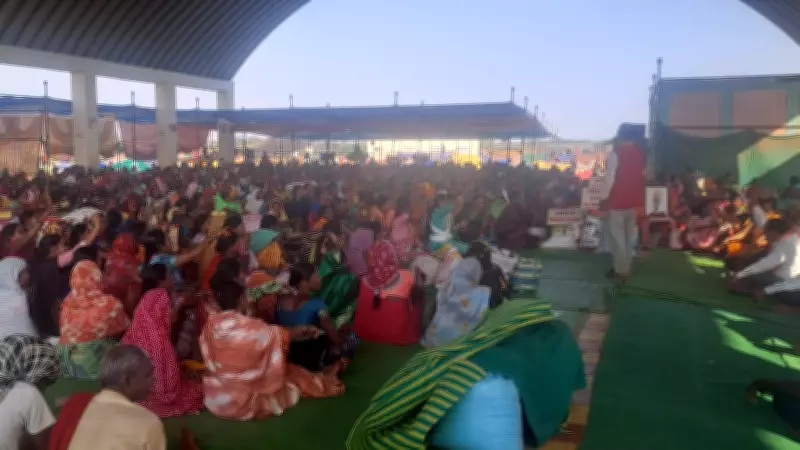
Chhattisgarh, where cooks currently receive Rs 2,000 monthly and have been actively protesting for higher wages, has formally requested honorarium enhancements for both the 2024-25 and 2025-26 fiscal years. In both cases, the Programme Approval Board for PM-POSHAN noted these requests and asked the state to submit more detailed proposals.
When questioned in Parliament last year about worker wages under the scheme, Minister of State for Education Jayant Chaudhary emphasized that "the overall responsibility for smooth functioning of the scheme including providing hot cooked and nutritious meal to the eligible children as well as engagement of cook-cum-helpers lies with the state governments and Union Territory administrations."
Broader Scheme Improvement Suggestions
Beyond wage increases, states and Union Territories have proposed several other enhancements to the PM-POSHAN scheme:
- Increasing material costs allocated for meal preparation
- Extending the scheme to cover students up to Class 12
- Introducing breakfast provisions alongside existing midday meals
A senior Education Ministry official confirmed that multiple states have formally requested honorarium increases for midday meal cooks, and the matter is currently under active consideration by the central government. The ministry had specifically solicited these suggestions in September last year as part of preparations for extending the scheme beyond its current timeframe.
The collective state demands highlight growing recognition of the essential role midday meal workers play in India's education and nutrition landscape, and the need for more equitable compensation structures across different regions of the country.






