The Supreme Court of India has taken a decisive step in addressing the persistent air pollution crisis in the national capital by demanding a concrete action plan from the Commission for Air Quality Management (CAQM).
Judicial Scrutiny of Air Quality Measures
A special bench of the Supreme Court, comprising Chief Justice of India Surya Kant and Justices Joymalya Bagchi and Vipul M Pancholi, recently examined a detailed status report submitted by the CAQM. The bench expressed serious concerns about the effectiveness of current measures to curb air pollution in Delhi and its surrounding regions.
Legal Proceedings and Government Response
During the hearing, Additional Solicitor General Aishwarya Bhati appeared before the court representing the Commission for Air Quality Management. She presented the status report outlining the commission's ongoing efforts and challenges in implementing pollution control measures.

The Supreme Court bench carefully considered the submitted document and raised critical questions about the tangible outcomes of CAQM's initiatives. The justices emphasized the urgent need for a more structured and result-oriented approach to tackle the deteriorating air quality situation in the Delhi National Capital Region.
Court's Directive for Comprehensive Planning
The bench has now directed the CAQM to prepare and submit a detailed action plan that addresses multiple aspects of air pollution management. This comprehensive plan is expected to include:
- Specific timelines for implementation of pollution control measures
- Clear accountability mechanisms for various stakeholders
- Emergency response protocols for severe pollution episodes
- Long-term strategies for sustainable air quality improvement
- Monitoring and evaluation frameworks to track progress
Broader Implications for Environmental Governance
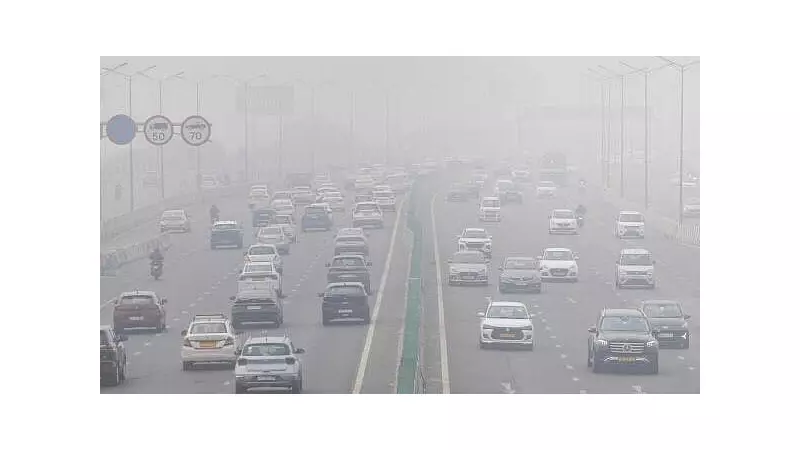
This judicial intervention comes at a crucial time when Delhi continues to grapple with hazardous air quality levels, particularly during winter months. The Supreme Court's directive underscores the growing judicial oversight of environmental governance in India and reflects increasing public concern about health impacts of air pollution.
The court has given the CAQM a specific timeframe to submit the action plan, though the exact deadline was not specified in the initial proceedings. Legal experts suggest this move represents a significant escalation in judicial pressure on regulatory bodies to deliver measurable results in environmental protection.
Environmental activists have welcomed the Supreme Court's proactive stance, noting that previous measures have often lacked proper implementation and enforcement mechanisms. The demand for a comprehensive action plan is seen as a crucial step toward more accountable and effective air quality management in one of the world's most polluted urban regions.