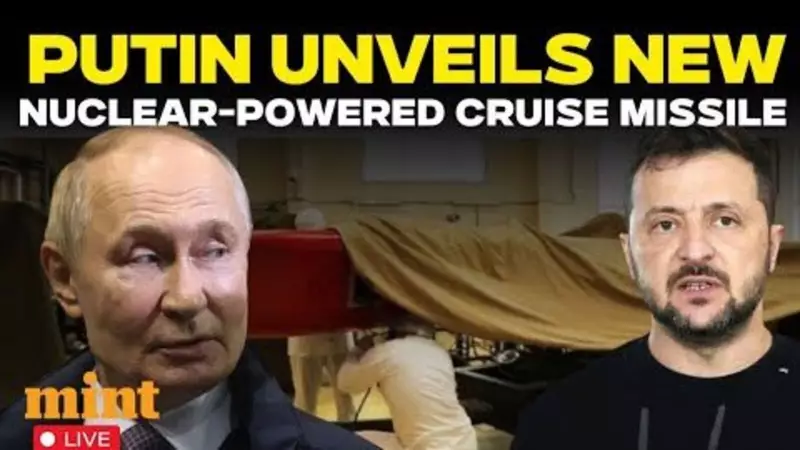
In a bold strategic move that signals continued military advancement, Russia has successfully conducted another test of its revolutionary nuclear-powered submersible drone, according to recent reports. This development comes despite previous warnings from the Trump administration about such weapons development.
The Unstoppable Underwater Weapon
The Poseidon drone, as it's known, represents a significant leap in underwater warfare technology. What makes this weapon particularly concerning for defense experts is its unique capability to operate at extreme depths and speeds that render current anti-submarine defense systems ineffective.
Key features that make this drone virtually unstoppable include:

- Nuclear propulsion providing virtually unlimited range
- Ability to operate at depths where conventional detection fails
- High-speed maneuverability that defeats interception attempts
- Capacity to carry both conventional and nuclear payloads
Strategic Implications for Global Security
This latest test demonstrates Russia's continued commitment to developing advanced strategic weapons systems that could potentially alter global power dynamics. The Poseidon falls under a category of weapons that Russian President Vladimir Putin has previously described as "invincible" against existing defense networks.
Military analysts suggest that weapons like the Poseidon are designed specifically to bypass sophisticated missile defense systems that major powers, including the United States, have invested billions in developing over recent decades.
Timing and Political Context
The timing of this test is particularly significant, occurring during a period of heightened tensions between nuclear powers. The development represents Moscow's clear statement about its military capabilities and strategic independence, regardless of international pressure or previous administrations' positions.
Defense experts note that such weapons development indicates Russia's focus on asymmetric warfare capabilities where it can leverage specific technological advantages against numerically superior conventional forces.
What This Means for Future Naval Warfare
The successful testing of the Poseidon drone potentially reshapes naval strategy and defense planning worldwide. Nations may need to reconsider their underwater detection capabilities and develop new countermeasures for this emerging threat category.
The development also highlights the ongoing nuclear arms evolution, where traditional delivery systems are being supplemented by increasingly sophisticated unmanned platforms that present new challenges for global security architecture.