Russia Condemns US Interference in Iran's Internal Affairs
Russia issued a sharp criticism of what it described as "subversive external interference" in Iran's domestic matters. The Russian Foreign Ministry denounced recent US threats of military action against Tehran. Moscow stated such moves remain "categorically unacceptable" and would lead to "disastrous consequences" for Middle Eastern stability and global security.
Moscow Echoes Tehran's Narrative Against Foreign Powers
The Russian remarks highlight Moscow's firm opposition to foreign involvement in Iran's ongoing internal crisis. This position directly mirrors Tehran's own narrative that external powers are actively stoking unrest within the country. The statement represents a clear alignment between Russian and Iranian perspectives on the issue of sovereignty.
Trump's Hardline Response to Iranian Protests
The Russian statement followed a sharp intervention by former US President Donald Trump. On January 13, Trump announced he had cancelled planned talks with Iranian officials. He publicly backed mass protests against Tehran's crackdown on demonstrators.

Trump wrote on his Truth Social platform, "Iranian Patriots, KEEP PROTESTING — TAKE OVER YOUR INSTITUTIONS!!!… HELP IS ON ITS WAY." His comments came as human rights monitors reported troubling statistics from the protests.
Earlier in the week, Trump issued a warning to Iran against using lethal force against protesters. He stated, "we're watching it very closely," and indicated that violent suppression could trigger a strong US response.
Protests Escalate Amid Government Crackdown
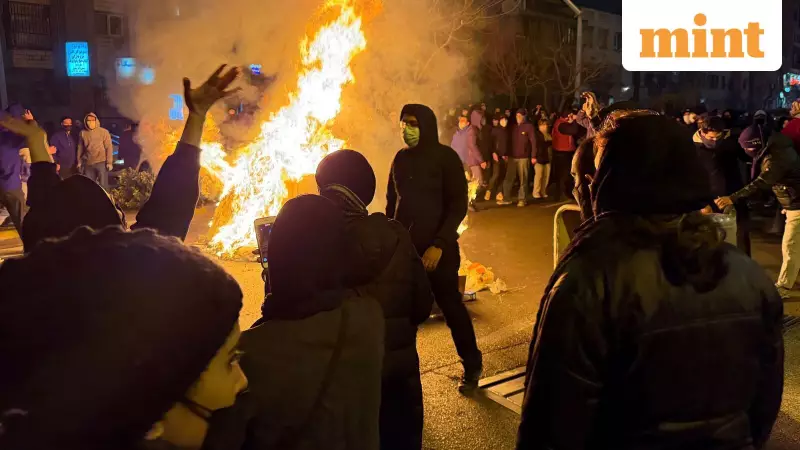
The unrest in Iran began in late December as protests against severe economic hardship. These demonstrations have since evolved into broader anti-government movements. Human rights groups now report hundreds of deaths and thousands of arrests nationwide.
Iranian authorities have implemented widespread internet and communications blackouts. These measures aim to limit information flow about the protests. Tehran has consistently accused foreign powers—particularly the United States and Israel—of fomenting the unrest.
Iran's foreign ministry has condemned what it calls "interventionist statements" from Washington. Tehran argues these statements violate international law and Iranian sovereignty.
Global Reactions Remain Deeply Divided
International responses to the Iranian crisis reveal significant divisions. Some Western leaders support calls for accountability and human rights protections. Others emphasize respect for national sovereignty and caution against escalation.
This split reflects broader global disagreements about how to address Iran's protest crisis. The tense backdrop includes recent US economic actions, such as imposing tariffs on countries conducting business with Iran.
The situation continues to develop as protests persist and diplomatic tensions remain high between involved nations.