Russia Proposes Uranium Takeover Amid Iran-US Tensions After Islamabad Talks Fail
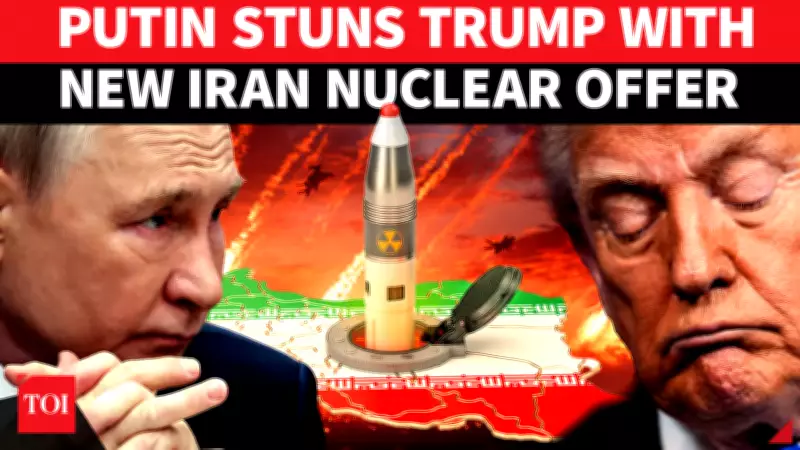
In a significant diplomatic development, Russia has formally offered to take control of Iran's enriched uranium as part of a potential peace deal with the United States. This proposal comes in the wake of the complete collapse of high-stakes talks between the U.S. and Iran in Islamabad, which has led to a sharp escalation in regional and global tensions.
Kremlin Confirms Putin's Offer
Kremlin spokesman Dmitry Peskov has publicly confirmed President Vladimir Putin's offer to manage Tehran's uranium stockpile. The proposal, aimed at de-escalating the nuclear standoff, remains unacted upon as of now, with no immediate response from either Washington or Tehran. This move underscores Russia's assertive role in Middle Eastern geopolitics, positioning itself as a potential mediator in one of the world's most volatile conflicts.
Failed Islamabad Talks and Global Repercussions
The breakdown of the U.S.-Iran negotiations in Islamabad has sent shockwaves through international relations. With the Strait of Hormuz effectively blocked due to the heightened military posture, global oil markets are experiencing sustained pressure, threatening economic stability worldwide. The failure of these talks has not only stalled diplomatic progress but also intensified military posturing in the region.

Accusations and Counter-Accusations
U.S. President Donald Trump has squarely blamed Iran's uncompromising nuclear stance for the diplomatic impasse, asserting that Tehran's policies are destabilizing global security. In a sharp rebuttal, Iranian officials have accused the United States of shifting demands and acting in bad faith, claiming that Washington's unpredictable negotiation tactics made a deal impossible. This war of words highlights the deep-seated mistrust between the two nations.
Key Developments:- Russia's uranium proposal aims to create a buffer in the Iran-U.S. nuclear dispute.
- The Strait of Hormuz blockade is impacting global energy supplies and market confidence.
- Both sides are hardening their positions, with military options being reconsidered.
The situation remains fluid, with international observers closely monitoring for any signs of breakthrough or further escalation. The involvement of Russia adds a complex layer to the already tense dynamics, as world powers navigate the delicate balance between diplomacy and force.