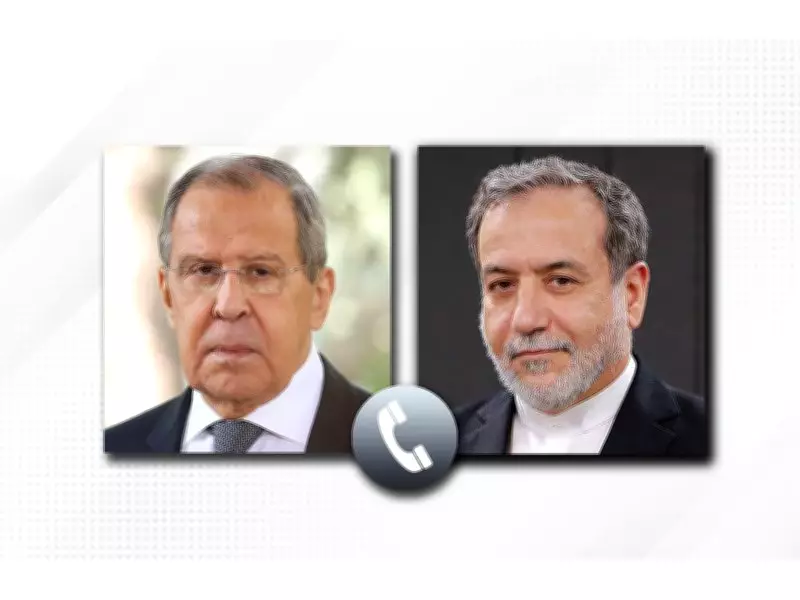
Russia and Iran Unite in Condemning US-Israeli Military Actions
In a significant diplomatic development, Russian Foreign Minister Sergey Lavrov and his Iranian counterpart, Abbas Araghchi, held a critical phone conversation on Monday, March 23, 2026. The discussion centered on the escalating tensions in the Persian Gulf, which the ministers attributed to aggressive actions by the United States and Israel. According to an official statement from the Russian Ministry of Foreign Affairs, the dialogue highlighted the severe deterioration of regional stability caused by what they termed "US-Israeli aggression."
Concerns Over Nuclear Infrastructure and Environmental Catastrophe
During the call, Lavrov emphasized the categorical unacceptability of recent strikes targeting Iran's nuclear infrastructure, including the Bushehr Nuclear Power Plant. He warned that these attacks pose unacceptable risks to the safety of Russian personnel stationed in the area and could lead to catastrophic environmental consequences for all nations in the region without exception. The statement underscored that such military actions not only threaten immediate security but also risk long-term ecological damage.
Expansion of Conflict into the Caspian Region
Both ministers expressed deep concern over the dangerous expansion of the conflict into the Caspian region, a development they blamed on provocations by Washington and Tel Aviv. Lavrov stressed the urgent need for an immediate cessation of hostilities and advocated for a political settlement that respects the legitimate interests of all parties, particularly Iran. Russia reaffirmed its commitment to this stance, pledging to uphold it at the United Nations Security Council.

In response, Araghchi extended gratitude to the Russian leadership for its substantial diplomatic support and humanitarian assistance to Iran. This gesture highlights the strengthening alliance between Moscow and Tehran amid ongoing geopolitical tensions.
US and Israeli Responses to the Crisis
Meanwhile, US President Donald Trump issued a stern warning to Iran, stating that the country has one more opportunity to end its threats against America. He asserted, "We hope they take it. Either way, America and the entire world will soon be a much safer planet." This comment reflects the ongoing hardline approach from the US administration.
Israeli Prime Minister Benjamin Netanyahu also weighed in, confirming a conversation with President Trump. In a post on X, Netanyahu outlined plans to leverage military achievements to secure an agreement that safeguards Israel's vital interests. He declared, "We are continuing to strike in both Iran and Lebanon. We are smashing the missile program and the nuclear program, and we continue to deal severe blows to Hezbollah." Netanyahu further revealed that Israel had recently eliminated two more nuclear scientists, underscoring the intensity of the ongoing operations.
Implications for Regional and Global Security
The exchange between Lavrov and Araghchi signals a growing rift between Russia-Iran and the US-Israel alliance, with potential ramifications for global diplomacy. The focus on nuclear sites and environmental risks adds a critical dimension to the conflict, raising alarms about broader humanitarian and ecological disasters. As tensions persist, the international community watches closely, with Russia positioning itself as a key mediator in seeking a peaceful resolution.