Russia Reaffirms Nuclear Test Moratorium Amid Trump's Testing Comments
Russia has strongly denied any plans to conduct nuclear weapons testing, with the Kremlin reiterating its commitment to the existing moratorium on nuclear tests. This clarification comes days after former US President Donald Trump made statements about nuclear weapons testing on his Truth Social platform.
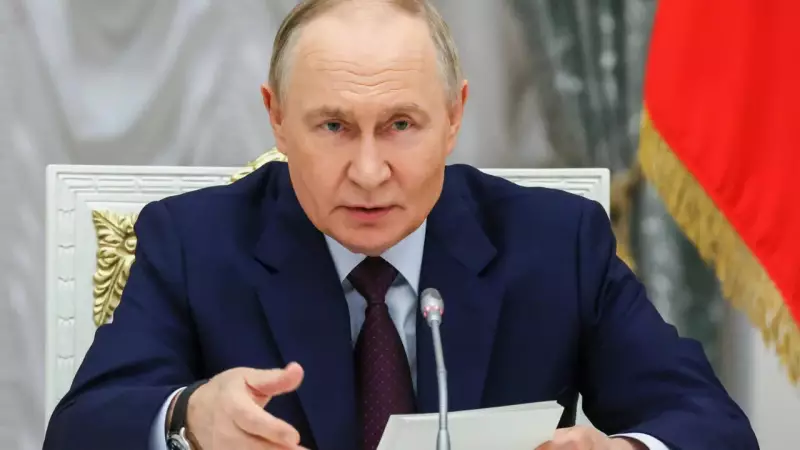
Kremlin spokesman Dmitry Peskov stated unequivocally that President Vladimir Putin has not ordered any nuclear tests and Russia remains dedicated to the ban on testing these weapons of mass destruction. The comments were made during a Russian TV broadcast on Sunday, addressing growing international concerns about nuclear testing.
Nuclear Parity: The Cornerstone of Global Security
Peskov emphasized Russia's position clearly: "Putin has repeatedly said that Russia adheres to its obligations under the nuclear tests ban and we are not going to carry them out, but if another country does, we will have to do so to observe parity."

The Kremlin spokesman underscored the critical importance of nuclear balance, stating that nuclear parity represents the most crucial component of global security architecture in today's world. This warning comes as a direct response to potential changes in US nuclear testing policy.
Trump's Nuclear Testing Statement and Russian Response
The situation escalated when Donald Trump announced on October 29 that he had "instructed the Department of War to start testing our Nuclear Weapons on an equal basis." In his Truth Social post, Trump claimed the United States possesses more nuclear weapons than any other country, with Russia ranking second and China a distant third.
Trump noted that during his first term, the US completed a complete update and renovation of existing nuclear weapons, though he expressed personal reluctance about the tremendous destructive power of these weapons.
Meanwhile, Russia has recently conducted tests of advanced weapons systems including the nuclear-powered Burevestnik cruise missile and the Poseidon underwater drone with unlimited range. These developments have raised concerns in Washington, though Russian defense commentators clarify these are weapon platforms, not nuclear tests.
Strategic Arms Control Negotiations Continue
Amid these tensions, diplomatic efforts continue regarding strategic weapons limitations. Foreign Minister Sergei Lavrov commented on President Putin's proposal to extend the quantitative freeze on strategic weapons when the START-III treaty expires in February next year.
In an interview published by RIA Novosti, Lavrov described Putin's initiative as "constructive" and free of hidden agenda. He stated that Moscow is awaiting Washington's response, noting that while the matter is being considered through diplomatic channels, no substantive response has been received yet.
The New Strategic Arms Reduction Treaty (START) was originally concluded in 2010 and entered into force in 2011. The treaty required both sides to reduce their strategic forces to no more than 1,550 deployed warheads on no more than 700 deployed strategic missiles and bombers by February 2018.
After extension in 2018, verification became challenging due to the Ukraine war and sanctions. Both nations agreed to voluntarily observe the agreed arms limits for one additional year. President Putin has now offered to extend this voluntary moratorium for one more year beginning February 2025.
Historical context shows that Moscow last conducted nuclear tests in 1990, while Washington's last tests occurred in 1992. Both nations have maintained the moratorium on 'hot' nuclear tests since those dates, though recent developments threaten to change this long-standing practice.
The situation remains fluid as both nations navigate the delicate balance between maintaining strategic parity and preventing a new nuclear arms race that could have global consequences.