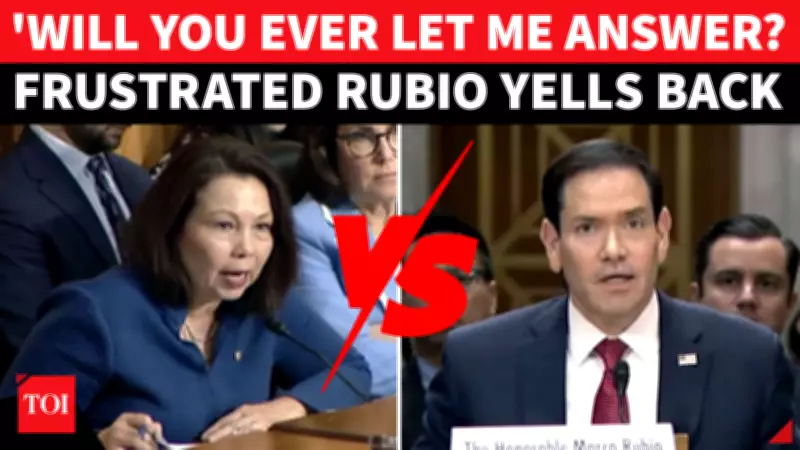
U.S. Secretary of State Marco Rubio spent nearly three hours before the Senate Foreign Relations Committee defending the Trump administration's proposed State Department budget and its handling of the Iran conflict. During a heated exchange, Senator Tammy Duckworth pressed Rubio over the legality of military actions against Iran, the risks of escalation, and potential threats to the Strait of Hormuz. Rubio repeatedly defended administration policies but declined to directly answer several questions regarding the Iran war. The tense hearing highlighted growing political divisions over Washington's Middle East strategy.
Key Points of the Exchange
Senator Duckworth, a Democrat from Illinois, questioned whether the administration had legal authorization for ongoing military operations against Iran. She specifically referenced the 2001 Authorization for Use of Military Force (AUMF) and argued that it does not cover actions against Iran. Rubio countered by citing the president's constitutional authority as commander-in-chief and the need to protect American interests abroad.
Strait of Hormuz Concerns
Duckworth also raised alarms about potential disruptions to the Strait of Hormuz, a critical chokepoint for global oil shipments. She asked Rubio what steps the administration was taking to ensure freedom of navigation and avoid a broader conflict. Rubio responded that the U.S. military was prepared to respond to any threats but did not provide specific details on contingency plans.

Political Divisions on Display
The hearing underscored deepening partisan rifts over foreign policy. Republicans on the committee largely supported Rubio's stance, emphasizing the need to counter Iranian aggression. Democrats, however, expressed concerns about mission creep and the lack of congressional approval. Senator Chris Murphy, a Democrat from Connecticut, called the administration's approach "dangerously vague" and demanded a clearer strategy.
Budget and Priorities
Beyond the Iran debate, Rubio defended the proposed State Department budget, which includes cuts to diplomatic programs and increases for security assistance. He argued that the funding aligns with national security priorities, but critics said it undermines diplomacy. The hearing concluded without a resolution, as both sides remained entrenched in their positions.