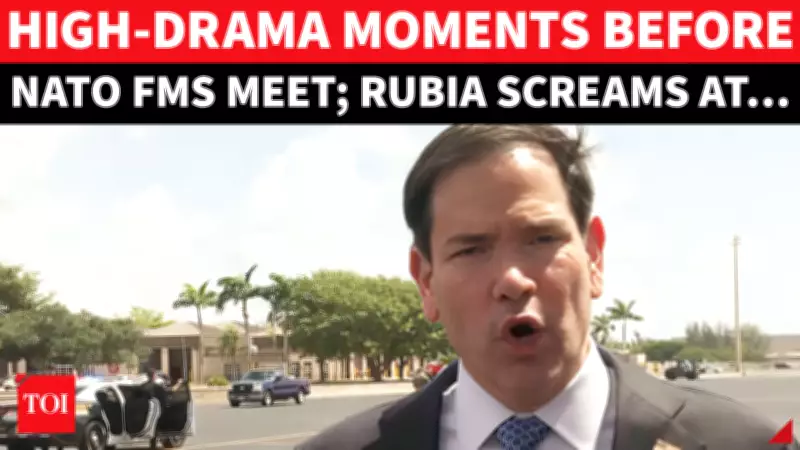
A major rift is emerging inside NATO as U.S. Secretary of State Marco Rubio sharply criticized America's allies for refusing to support Washington during the escalating Iran crisis. Speaking ahead of the NATO Foreign Ministers' meeting in Sweden, Rubio revealed that President Donald Trump was 'very disappointed' with NATO countries that acknowledged Iran as a global threat but declined to take action.
Rubio's Explosive Remarks
Rubio's explosive remarks have fueled speculation that the Trump administration could be preparing unilateral moves against Iran as tensions in the Middle East continue to rise. The comments also expose deepening cracks inside NATO over military burden-sharing, the Strait of Hormuz crisis, and Europe's reluctance to confront Tehran directly.
NATO's Internal Divisions
The rift highlights growing disagreements among NATO members regarding the appropriate response to Iran's activities. While the U.S. advocates for a more aggressive stance, several European allies prefer diplomatic engagement and are wary of military escalation. Rubio's statement underscores the frustration within the Trump administration over what it perceives as a lack of solidarity from its allies.

As the NATO Foreign Ministers' meeting convenes, the Iran issue is expected to dominate discussions. The U.S. is likely to push for a unified stance, but the divide may prove difficult to bridge. The outcome of the meeting could have significant implications for transatlantic relations and the broader security landscape in the Middle East.