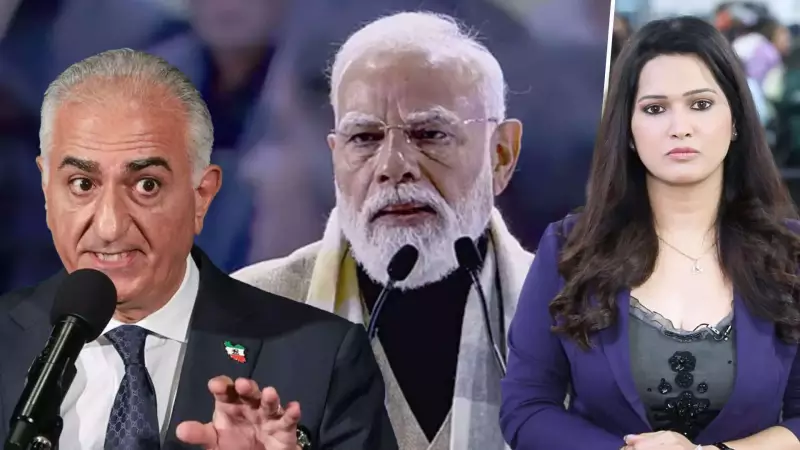
Reza Pahlavi Promises Friendship With India, But His Return Could Reopen Iran's Old Fault Lines
Reza Pahlavi makes a bold promise. He says a democratic Iran under his leadership would seek strong relations with India. He speaks of shared values, technology partnerships and energy cooperation. This vision sounds appealing for New Delhi.
But India's caution comes from history. The last Pahlavi ruler, his father Mohammad Reza Pahlavi, maintained close strategic ties with Pakistan. He openly opposed India during key wars and on the Kashmir issue. Those old alignments once worked against Indian interests.
Why India Worries About a Pahlavi Restoration
After the Islamic Revolution in 1979, Iran's position shifted. The country adopted a relative neutrality that helped India. New Delhi could protect critical interests like the Chabahar Port project. This port offers India vital regional connectivity beyond Pakistan.

A Pahlavi restoration would likely redraw the map. Western powers would probably back his return. This support could fundamentally change Iran's alliances in West Asia. India's carefully balanced position might face new complications.
Economic opportunities may exist under a new regime. Technology transfers and energy deals could flourish. Yet New Delhi's real concern runs deeper. Officials ask whether Iran's future choices will protect India's strategic interests.
The fear is clear. Old alignments that once worked against India could revive. A pro-Western Iran might rekindle its historic partnership with Pakistan. This move would directly challenge Indian security calculations.
The Strategic Calculus for New Delhi
India must weigh potential benefits against proven risks. The current Iranian government, despite tensions, provides a counterbalance to Pakistan. Chabahar Port remains a crucial asset for Indian trade with Afghanistan and Central Asia.
A change in Tehran's leadership brings uncertainty. Reza Pahlavi's democratic promises sound good. But his family's historical record gives Indian strategists pause. They remember the Shah's firm support for Islamabad during past conflicts.
The geopolitical landscape in West Asia is already complex. Adding a restored monarchy could introduce new variables. India prefers stability in its extended neighborhood. Dramatic shifts in Iranian foreign policy might undermine that stability.
For now, New Delhi watches developments carefully. The government maintains official neutrality on Iran's internal politics. Behind the scenes, analysts study every statement from the Pahlavi camp. They assess what a future Iran might mean for Indian interests.
The coming months will reveal more. Reza Pahlavi continues his campaign for international support. India waits to see if his words translate into policies that respect its strategic concerns. The historical shadow of the Pahlavi era still looms large in South Block.