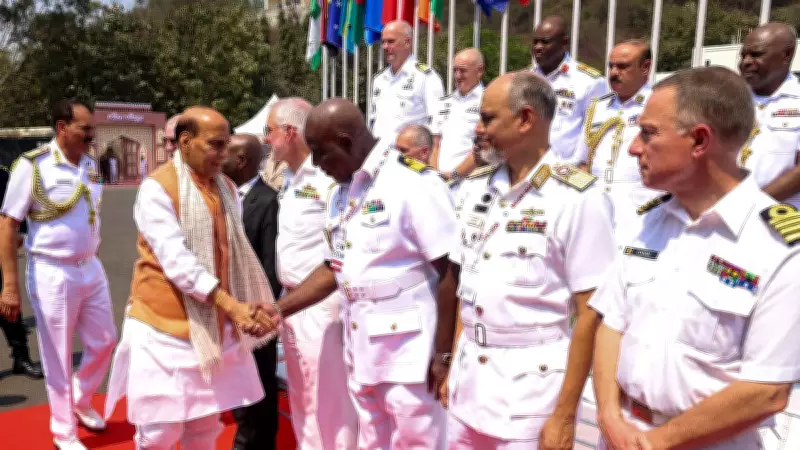
Rajnath Singh Advocates for New Global Naval Framework to Counter Maritime Terrorism
Defence Minister Rajnath Singh has issued a compelling call for the establishment of a new global naval architecture, specifically designed to curb and prevent terrorist activities on the high seas. This urgent appeal was made during his address at the prestigious Milan 2026 naval exercise, a significant multinational event that has drawn participation from an impressive 74 countries worldwide.
Addressing Security Challenges on International Waters
In his speech, Singh emphasized the growing and evolving threats posed by terrorism in maritime domains, highlighting the critical need for enhanced international cooperation and coordination. He pointed out that traditional naval strategies and frameworks are increasingly inadequate in the face of modern, asymmetric threats that exploit the vast and often unmonitored expanses of the world's oceans.
The defence minister stressed that a cohesive and unified approach is essential to effectively monitor, deter, and respond to such illicit activities. He argued that without a robust and collaborative global mechanism, terrorist groups could continue to use sea routes for smuggling, financing, and other operations that undermine regional and international security.

Milan 2026: A Platform for Multilateral Dialogue
The Milan 2026 exercise serves as a pivotal platform for fostering dialogue and building partnerships among navies from diverse nations. With 74 countries taking part, this event underscores the widespread recognition of maritime security as a shared global concern. Singh's proposal for a new naval architecture aligns with the exercise's objectives of promoting interoperability and mutual understanding among participating forces.
This initiative aims to not only strengthen defensive capabilities but also to facilitate intelligence-sharing and joint operational protocols. By leveraging the collective expertise and resources of multiple nations, the proposed framework seeks to create a more secure and stable maritime environment, free from the scourge of terrorism.
Implications for Global Security and Diplomacy
Rajnath Singh's call for a revamped global naval architecture carries significant implications for international security and diplomatic relations. It reflects India's proactive stance in addressing transnational challenges and its commitment to playing a leadership role in global defence forums. The proposal is expected to spark discussions and potential collaborations among the participating countries, paving the way for more structured and effective counter-terrorism measures at sea.
As the world grapples with complex security dynamics, such initiatives highlight the importance of adaptive and cooperative strategies in safeguarding common interests. The defence minister's address at Milan 2026 marks a crucial step towards redefining how nations collectively respond to maritime threats in the 21st century.