Qatar's Emir Calls for De-escalation Amid West Asia Tensions in Phone Talk with US President Trump
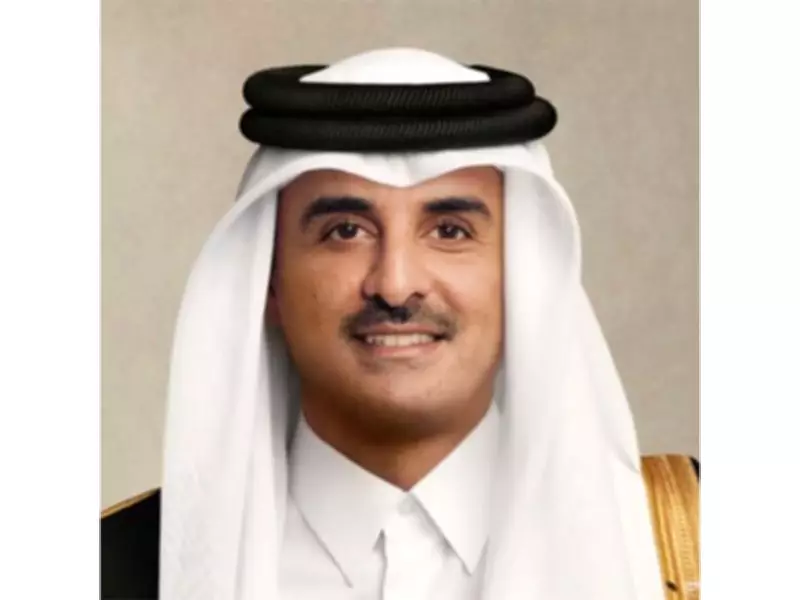
In a significant diplomatic move, the Emir of Qatar, Sheikh Tamim bin Hamad Al Thani, engaged in a phone conversation with United States President Donald Trump, where he strongly advocated for de-escalation in the ongoing tensions across West Asia. The discussion, which took place against a backdrop of regional instability, highlighted Qatar's proactive role in promoting peace and stability in the volatile area.
Emphasis on Dialogue and Regional Stability
During the call, Emir Sheikh Tamim emphasized the critical need for dialogue and diplomatic efforts to address the multifaceted conflicts and disputes plaguing West Asia. He underscored that escalating tensions could have far-reaching consequences, not only for the nations directly involved but also for global security and economic interests. The Emir's message was clear: a peaceful resolution through constructive engagement is paramount to averting further crises.
Qatar has consistently positioned itself as a mediator in regional conflicts, leveraging its diplomatic channels to foster communication between opposing factions. This phone conversation with President Trump is seen as an extension of that strategy, aiming to influence US policy towards a more conciliatory approach in the region.

Context of West Asia Tensions
The tensions in West Asia encompass a range of issues, including but not limited to:
- Geopolitical rivalries between major powers and local actors.
- Ongoing conflicts in countries like Syria, Yemen, and Libya.
- Disputes over maritime boundaries and energy resources.
- Heightened military posturing and proxy wars.
These factors have created a complex web of challenges that threaten to spiral into broader confrontations. The Emir's call for de-escalation comes at a time when several flashpoints are simmering, with potential implications for international trade routes and energy supplies.
US-Qatar Relations and Strategic Implications
The phone conversation also sheds light on the state of US-Qatar relations, which have been multifaceted despite occasional strains. Qatar hosts a major US military base, Al Udeid Air Base, which serves as a critical hub for American operations in the Middle East. This strategic partnership underscores the importance of maintaining open lines of communication between the two nations.
President Trump's response during the call was noted for its receptiveness to the Emir's appeals, indicating a possible alignment on the need for cautious diplomacy. However, the US administration's broader foreign policy in West Asia remains a subject of scrutiny, with its actions often swaying regional dynamics.
The Emir's intervention is timely, as it precedes upcoming international forums and negotiations where West Asian issues are likely to be discussed. By urging de-escalation, Qatar aims to set a tone of moderation that could encourage other stakeholders to prioritize dialogue over confrontation.
Broader Impact on Global Diplomacy
This development is not just a bilateral matter but has implications for global diplomacy. West Asia's stability is intricately linked to worldwide energy markets, security architectures, and humanitarian concerns. A de-escalation in tensions could pave the way for:
- Enhanced cooperation on counter-terrorism efforts.
- Progress in peace talks for long-standing conflicts.
- Stabilization of oil prices and economic recovery post-pandemic.
As such, the Emir's call resonates beyond the region, appealing to the international community to support peaceful resolutions. It underscores Qatar's growing influence as a diplomatic player capable of bridging divides in a fractured geopolitical landscape.
In conclusion, the phone conversation between Qatar's Emir and US President Trump marks a pivotal moment in efforts to calm West Asia tensions. By championing de-escalation, Qatar reinforces its commitment to regional stability, while also navigating the complexities of its alliance with the United States. The world watches closely as these diplomatic gestures unfold, hoping they lead to tangible steps towards peace and security in one of the globe's most turbulent regions.