Russia Issues Stark Naval Warning to EU Over Oil Tanker Disputes
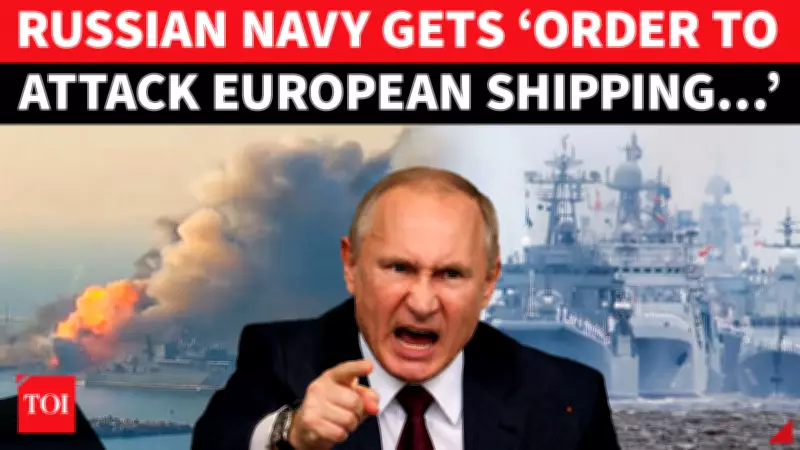
A senior Russian security official has issued a grave warning that Moscow is prepared to deploy its naval forces to protect vessels involved in its energy exports if Western nations escalate efforts to seize tankers. Nikolai Patrushev, Secretary of Russia's Security Council, declared that Russia would "break any blockade" imposed by Western countries, labeling their interception attempts as acts of piracy. This aggressive rhetoric has placed European Union authorities on high alert, with fears mounting over a potential maritime confrontation in key shipping lanes.
The Shadow Fleet at the Heart of the Crisis
The core of this escalating dispute revolves around Russia's extensive "shadow fleet" – a network comprising hundreds of oil tankers that operate under intricate and opaque ownership structures. These vessels have been instrumental in transporting Russian crude oil across global markets despite comprehensive international sanctions imposed following the Ukraine conflict. The shadow fleet enables Moscow to circumvent restrictions and maintain its critical energy trade revenues, which are vital for funding its military operations and economic stability.
EU's Enforcement Dilemma and Legal Challenges
European governments have been engaged in intense discussions regarding the implementation of stricter enforcement mechanisms to counter Russia's shadow fleet operations. However, significant legal and operational hurdles have complicated these efforts. Key challenges include:

- Jurisdictional complexities involving vessels registered under flags of convenience
- Legal gray areas surrounding the seizure of cargo in international waters
- Operational risks to naval personnel conducting interdiction missions
- Diplomatic repercussions from escalating maritime confrontations
These obstacles have created a contentious environment where rhetoric is rapidly outpacing practical enforcement capabilities.
Escalating Rhetoric and Broader Security Implications
As Western sanctions continue to exert pressure on Russia's economy, the language surrounding potential naval deployment has grown increasingly confrontational. Patrushev's statements represent the most explicit threat to date regarding Russia's willingness to use military force to protect its maritime interests. This development highlights several critical security concerns:
- The risk of accidental clashes between Russian and Western naval vessels
- Potential disruption to global energy supply chains and shipping routes
- Increased insurance costs for commercial vessels operating in contested areas
- The broader geopolitical implications for European security architecture
Analysts warn that this maritime standoff could represent a dangerous new front in the ongoing economic and diplomatic conflict between Russia and Western nations.
Regional Stability and International Response
The European Union finds itself navigating a delicate balance between enforcing sanctions effectively and avoiding military escalation. Member states are reportedly enhancing their maritime surveillance capabilities and coordinating more closely with NATO allies to monitor Russian naval movements. Meanwhile, the international shipping community watches with apprehension as what began as an economic sanctions issue now threatens to evolve into a potential naval confrontation with global security implications.