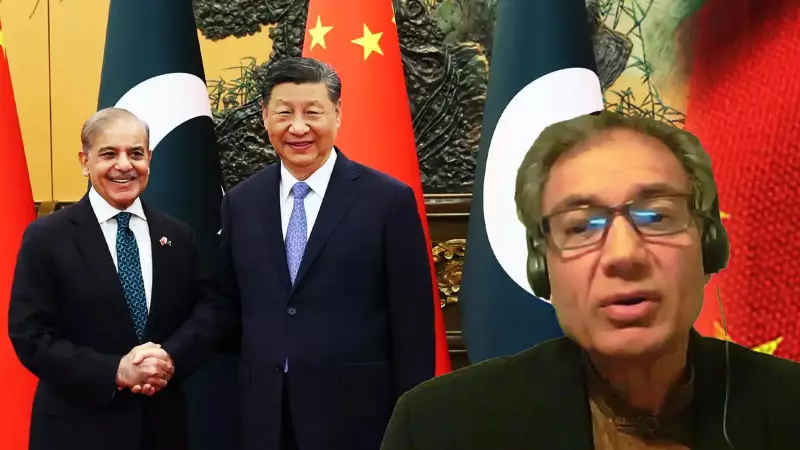
As elections in Pakistan-occupied Gilgit-Baltistan (PoGB) approach in 2026, a prominent activist has raised alarming concerns about land occupation and resource exploitation by Pakistan and China under the China-Pakistan Economic Corridor (CPEC) project. Senge Sering, President of the Institute for Gilgit Baltistan Studies, has exposed what he describes as systematic efforts to control vast lands in the region, sidelining local populations from both decision-making processes and revenue benefits.
Shift in Political Focus Ahead of PoGB Elections
Sering highlighted that local political discourse in PoGB has evolved significantly. Previously centered on demands for provincial status, the conversation has now shifted toward more pressing issues of land occupation, resource exploitation, and cultural erosion. He emphasized that these concerns are becoming increasingly critical as the 2026 elections draw near, with residents feeling marginalized by external powers.
Allegations of Exclusion and Exploitation
According to Sering, Pakistan and China are leveraging the CPEC project to occupy local lands under the guise of development. He alleged that this partnership excludes indigenous communities from key decisions and denies them a fair share of the economic benefits generated by the corridor. Sering described CPEC as primarily serving the strategic interests of Pakistan and China rather than promoting local welfare or development.

He pointed out that PoGB lacks constitutional status within Pakistan, noting its historical ties to India, specifically the Ladakh region. This absence of formal recognition, Sering argued, exacerbates the vulnerability of residents, leaving them without proper governance, representation, or fundamental rights.
Call for International Awareness and Action
Sering issued a stark warning, stating that unless Pakistan withdraws its control and addresses these grievances, the people of PoGB will continue to be deprived of their basic rights. He urged the international community to recognize the region's plight and the media blackout that often shrouds these issues. His appeal underscores the need for global attention to what he frames as a humanitarian and political crisis in the contested territory.
The activist's revelations come at a time of heightened geopolitical tensions, with CPEC being a cornerstone of China-Pakistan relations. Sering's statements aim to shed light on the local impacts of this mega-project, challenging narratives of progress and development with accounts of displacement and disenfranchisement.