PM Modi Departs for Three-Nation Tour
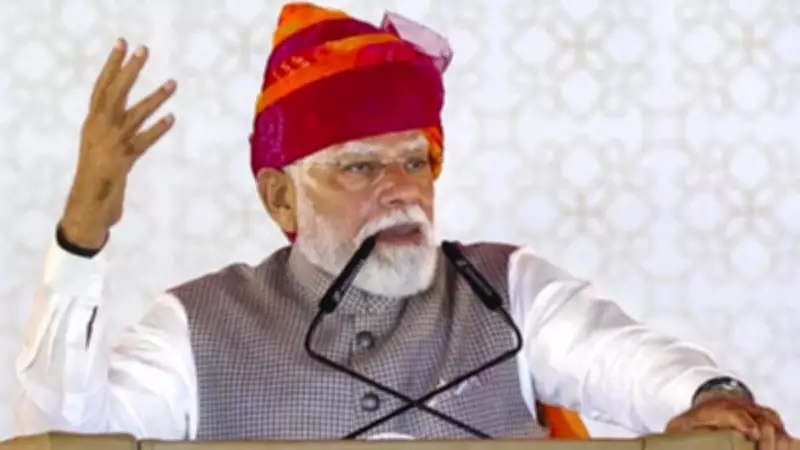
Prime Minister Narendra Modi on Monday left for a three-nation tour covering Indonesia, Australia, and New Zealand, aiming to bolster India's Act East Policy. This marks his first bilateral visit since the elevation of ties with Indonesia, following President Prabowo's state visit to India as the chief guest at the Republic Day celebrations in January 2025.
Key Objectives of the Visit
The Prime Minister stated that the tour will further strengthen India's Act East Policy, which focuses on enhancing economic and strategic ties with Southeast Asian and Pacific nations. During the visit, Modi is expected to hold high-level meetings with leaders from all three countries, discussing trade, defense, and regional security.
Indonesia: Strengthening Strategic Partnership
In Indonesia, Modi will engage in talks to deepen the comprehensive strategic partnership. The visit comes after the elevation of bilateral ties, and discussions are likely to cover maritime cooperation, infrastructure projects, and counter-terrorism efforts. According to officials, several agreements are expected to be signed.

Australia: Boosting Trade and Investment
In Australia, the focus will be on expanding trade and investment, particularly in critical minerals, renewable energy, and education. Modi is scheduled to meet with Australian Prime Minister to review the progress of the Economic Cooperation and Trade Agreement (ECTA) and explore new avenues for collaboration.
New Zealand: Enhancing Bilateral Ties
The final leg of the tour is New Zealand, where Modi will aim to strengthen bilateral relations in areas such as dairy, technology, and tourism. The visit is expected to pave the way for a comprehensive partnership, with discussions on climate change and regional stability.
Significance of the Tour
This tour underscores India's commitment to the Act East Policy, which has been a cornerstone of its foreign policy. The visits are timed to build on the momentum generated by President Prabowo's Republic Day visit. Analysts view this as a strategic move to counterbalance China's influence in the region. Modi's engagements are expected to yield concrete outcomes in trade, defense, and people-to-people ties.