Pakistan Implements Stringent Security Ahead of US-Iran Diplomatic Talks
In a significant diplomatic development, Pakistan authorities enacted rigorous security protocols in anticipation of rare direct talks between the United States and Iran. The discussions, held on April 11 and 12, 2026, were aimed at exploring pathways to end the longstanding conflict between the two nations. However, despite the high-level engagement, the talks concluded without reaching any formal agreement, highlighting the complex challenges in US-Iran relations.
Enhanced Security Measures in Pakistan
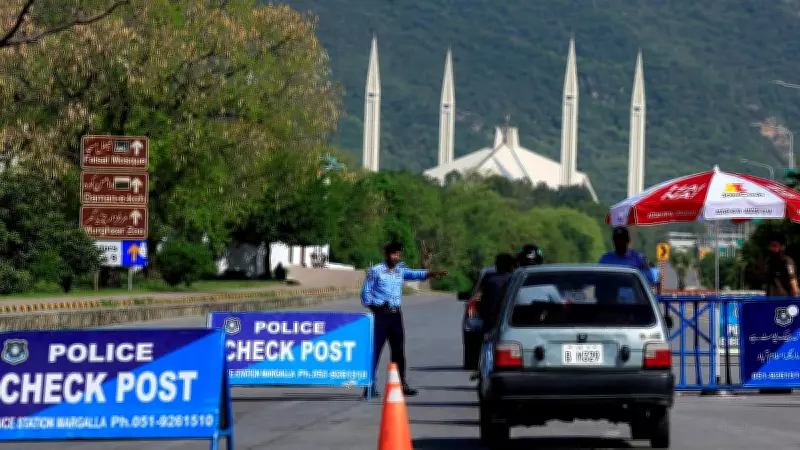
Pakistani officials took extensive precautions to ensure the safety and confidentiality of the negotiations. Security forces were deployed in key areas, with heightened surveillance and access controls implemented around the meeting venues. These measures underscored the sensitive nature of the talks, which marked a notable attempt at direct dialogue amid ongoing tensions.
Outcome of the US-Iran Discussions
The talks ended without a breakthrough, as both sides failed to bridge their differences on critical issues. The lack of agreement reflects the deep-seated disagreements that have characterized US-Iran relations for decades. Analysts suggest that while the dialogue itself was a positive step, substantial obstacles remain in achieving a lasting resolution.

Implications for Regional and Global Diplomacy
This event has broader implications for international diplomacy:
- Regional Stability: The talks could influence dynamics in the Middle East and South Asia.
- Future Negotiations: The outcome may set the tone for subsequent diplomatic efforts between the US and Iran.
- Pakistan's Role: Hosting such talks positions Pakistan as a neutral mediator in global conflicts.
As of April 19, 2026, no further talks have been scheduled, leaving the future of US-Iran relations uncertain. The stringent security measures in Pakistan, however, demonstrate the country's commitment to facilitating high-stakes international dialogues.