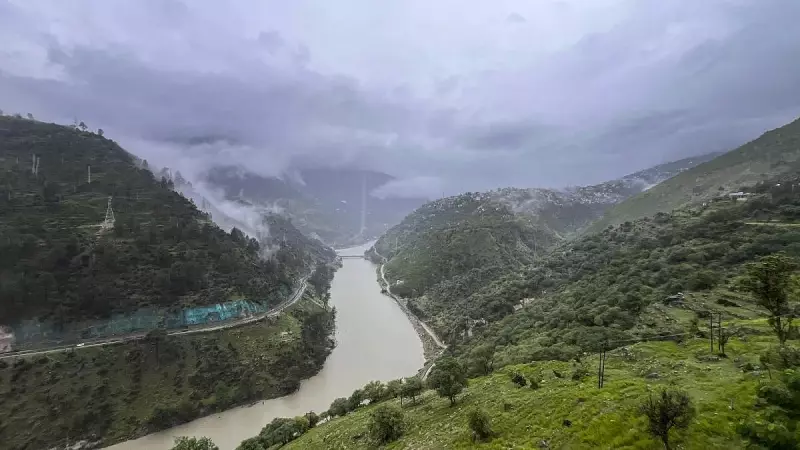
Pakistan has officially reached out to India, seeking an explanation regarding reported irregularities in the water flow of the Chenab River. The diplomatic move follows procedures established under the longstanding Indus Waters Treaty that governs water sharing between the two neighboring nations.
Formal Request Through Treaty Channels
The development was confirmed by Foreign Office Spokesperson Tahir Andrabi during the weekly press briefing held on 18 December 2025. Andrabi stated that Pakistan's Indus Water Commissioner has taken the stipulated step by drafting a formal letter to his Indian counterpart.
The spokesperson emphasized that this action was taken "in accordance with the procedures enshrined in the Indus Waters Treaty". This indicates Pakistan is pursuing the matter through the dedicated bilateral mechanism designed to resolve water-related issues, rather than escalating it immediately to a political level.

The Core of the Dispute: Alleged Variations
While the specific technical details of the alleged "variations in flow" were not elaborated upon in the briefing, such concerns typically involve the volume and timing of water release. The Chenab River is one of the three western rivers allocated to Pakistan under the 1960 treaty, with India permitted certain non-consumptive uses like hydroelectric power generation under strict conditions.
Pakistan's water authorities likely monitor the river's flow data, and any significant deviation from expected patterns can trigger a formal inquiry. The treaty provides a clear framework for such exchanges, requiring timely responses and data sharing to maintain transparency.
Implications and Next Steps
This formal request for clarification represents the first step in the treaty's conflict resolution process. India is now expected to provide a technical response through the office of its Indus Water Commissioner. The outcome of this exchange could determine whether the issue is resolved bilaterally or requires intervention from a neutral expert or a court of arbitration, as outlined in the treaty.
The Indus Waters Treaty, brokered by the World Bank, has survived several periods of political tension. Its continued use by both nations to address technical grievances, as seen in this instance, underscores its critical role as a vital diplomatic tool. The world will be watching India's response, as it will set the tone for the management of this shared and precious resource.