Pakistan's Top Military Official Engages in High-Level Talks with Saudi Defense Minister
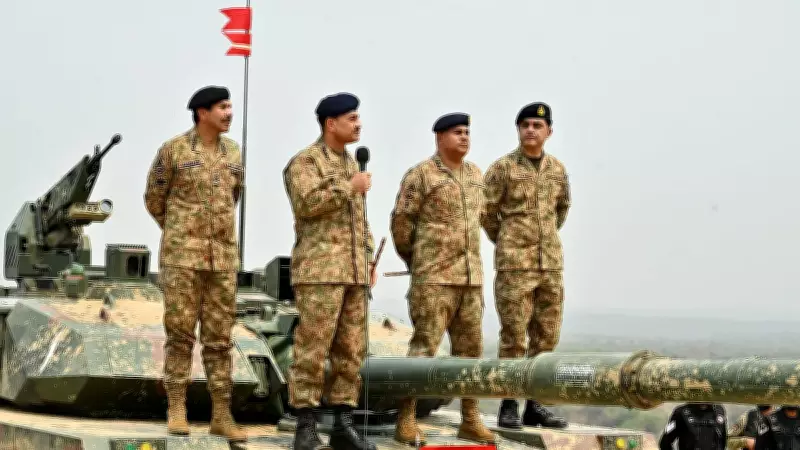
In a significant diplomatic and strategic move, Pakistan's Chief of Defence Staff (CDF) General Asim Munir has held a crucial meeting with Saudi Arabia's Defense Minister, Prince Khalid bin Salman. This high-level engagement comes at a time of escalating regional tensions, with Saudi Arabia recently facing attacks attributed to Iran. The discussions are believed to have centered on the mutual defense agreement signed between Islamabad and Riyadh last year, which obligates both nations to support each other militarily in the event of an attack by a third country.
Escalating Regional Tensions Prompt Urgent Dialogue
The meeting between General Munir and Prince Khalid bin Salman is seen as a direct response to the heightened security concerns in the region. Saudi Arabia has been targeted in recent attacks, widely reported to be orchestrated by Iran, which has put the bilateral defense pact under intense scrutiny. This pact, formalized in 2025, is a cornerstone of the strategic partnership between Pakistan and Saudi Arabia, committing both countries to come to each other's defense if attacked by an external force. The timing of these talks underscores the urgency of reinforcing this alliance amidst growing instability.
Details of the Mutual Defense Pact and Its Implications
The mutual defense agreement between Pakistan and Saudi Arabia is a comprehensive treaty that binds the two nations in a security partnership. Key aspects of this pact include:

- Military Support: Both countries are required to provide military assistance, including troops and equipment, if either is attacked by a third party.
- Strategic Coordination: The pact facilitates joint military exercises, intelligence sharing, and coordinated defense planning to enhance regional security.
- Diplomatic Backing: It includes provisions for diplomatic support in international forums, strengthening their collective stance on security issues.
This agreement is particularly significant given the historical ties between Pakistan and Saudi Arabia, with Pakistan often providing military expertise and personnel to Saudi Arabia in times of need. The recent attacks by Iran have tested this pact, prompting high-level discussions to assess readiness and reaffirm commitments.
Broader Regional Context and Future Outlook
The meeting occurs against a backdrop of increasing geopolitical volatility in the Middle East and South Asia. Iran's aggressive posturing and attacks on Saudi Arabia have raised alarms, potentially drawing Pakistan into a complex regional conflict due to its defense obligations. Analysts suggest that this dialogue may lead to enhanced military cooperation, such as increased joint patrols or defense technology exchanges, to deter further aggression. Moreover, it highlights Pakistan's role as a key player in regional security dynamics, balancing its relationships with both Saudi Arabia and Iran.
As tensions continue to simmer, the outcome of these talks could shape the security landscape for years to come. Both nations are expected to issue joint statements emphasizing their commitment to peace and stability, while also signaling a firm stance against any threats to their sovereignty. The international community will be closely watching how this partnership evolves in response to the ongoing challenges.