Pakistan Labels Indian Army Chief's Terror Camp Warning as Delusional Rhetoric
Pakistan has strongly rejected recent remarks by the Indian Army Chief regarding active terror camps. The Foreign Office in Islamabad termed General Upendra Dwivedi's statements as baseless and politically motivated. This dismissal comes amid growing tensions between the two neighboring nations.
Terror Bosses Contradict Pakistan's Official Position
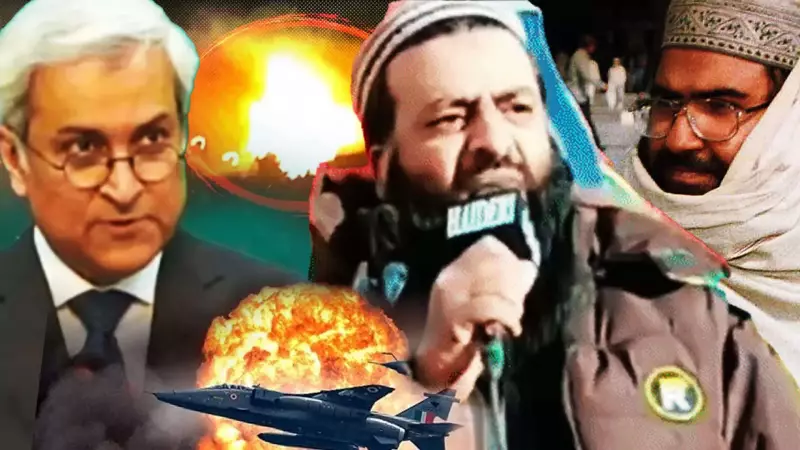
While Pakistan denies the existence of terror camps, commanders from banned organizations have made revealing statements. Leaders of Lashkar-e-Taiba and Jaish-e-Mohammed have openly discussed their readiness for large-scale operations against India. These admissions directly contradict Pakistan's official narrative and place the country in an awkward diplomatic position.
The terror commanders' statements validate India's long-standing claims about militant infrastructure across the border. This growing divergence between Pakistan's public denials and the open declarations of its terror proxies continues to expose what India calls a long-denied nexus.

Operation Sindoor's Impact and Current Situation
India's Operation Sindoor previously dealt significant blows to terrorist infrastructure. The military action demolished several camps and eliminated hundreds of terrorists. However, Indian authorities maintain that eight terror camps remain operational despite these efforts.
The Indian Army continues to monitor these locations with constant vigilance. General Dwivedi has emphasized that any fresh provocation will meet with a strong and immediate response from Indian forces. The army remains on high alert along the border regions.
Diplomatic Fallout and Regional Implications
Pakistan finds itself in an increasingly uncomfortable spotlight as it attempts damage control on the diplomatic front. The country's rejection of India's warnings comes at a time when evidence continues to mount about militant activities.
The situation highlights the ongoing security challenges in South Asia. It underscores the complex relationship between state actors and non-state militant groups in the region. As Pakistan struggles to maintain its official position, the statements from terror leaders continue to undermine its credibility on the international stage.
This development occurs against the backdrop of broader regional security concerns. It reflects the persistent tensions that characterize India-Pakistan relations, particularly regarding cross-border terrorism. The Indian Army's warnings signal that security forces remain prepared to counter any threats that emerge from across the border.