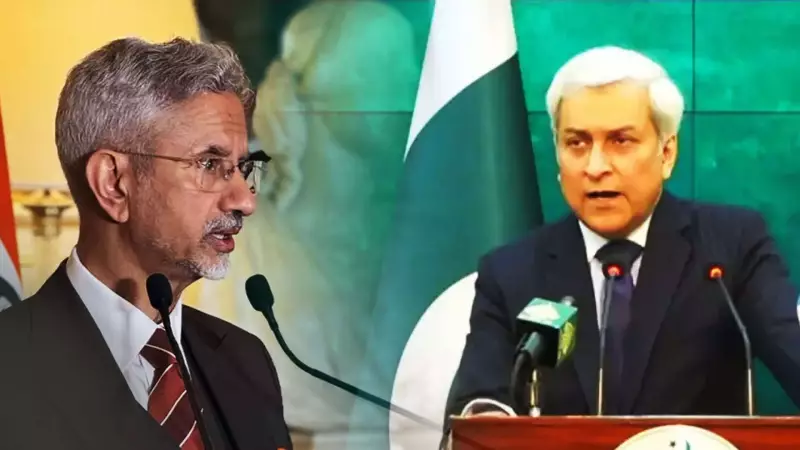
India's firm stance on state-sponsored terrorism has once again provoked a sharp and predictable reaction from its western neighbour. External Affairs Minister Dr. S Jaishankar's unequivocal comments describing Pakistan as a state that has institutionalised terrorism led to a fresh diplomatic spat, with Islamabad lashing out with a series of allegations against New Delhi.
Jaishankar's Blunt Accusation in Europe
Speaking at an event in Luxembourg on January 9, 2026, India's top diplomat did not mince words. Dr. Jaishankar stated that Pakistan has systematically institutionalised terrorism and continues to normalise violence directed at India with active backing from its state machinery and military. He emphasised that this reality fundamentally shapes India's foreign policy, especially in countering cross-border terror.
The minister's remarks were part of India's growing strategy to directly name and isolate sponsors of terrorism on global platforms. This approach, which dismisses what Jaishankar has previously called "global double standards," appears to have hit a raw nerve in Islamabad.

Pakistan's Angry Rebuttal and New Allegations
The response from Pakistan was swift and combative. Officially rejecting Jaishankar's accusations, Islamabad fired back with a multi-pronged rebuttal. It accused India of destabilising the region and resorted to invoking allegations of Islamophobia—a common rhetorical tool in its diplomatic arsenal.
More notably, Pakistan specifically targeted Operation Sindoor, a military action undertaken by India, labelling it as "reckless." Furthermore, Pakistani officials revived a claim from the May conflict, asserting that India had sought third-party mediation during the crisis—a narrative that Jaishankar has firmly dismissed in the past.
A Narrative Pakistan Can No Longer Deflect
The intensity of Pakistan's reaction signals a growing discomfort in Islamabad. For years, Pakistan has attempted to deflect and counter international scrutiny on its role in fostering terrorist groups. However, India's persistent, evidence-based campaign on forums worldwide is making this deflection increasingly difficult.
Analysts suggest that Pakistan's latest rant, which includes unsubstantiated claims about Operation Sindoor and mediation, is an attempt to shift the focus and play the victim. Yet, the core of Jaishankar's message—that terrorism is a central part of Pakistan's state policy—remains unaddressed by Islamabad's furious response. This exchange underscores the deep and persistent rift between the two nations, with terrorism and accountability remaining the central, unresolved issues.