Pakistan Prime Minister Shehbaz Sharif Faces Intense Backlash Over Gaza Peace Plan Reversal
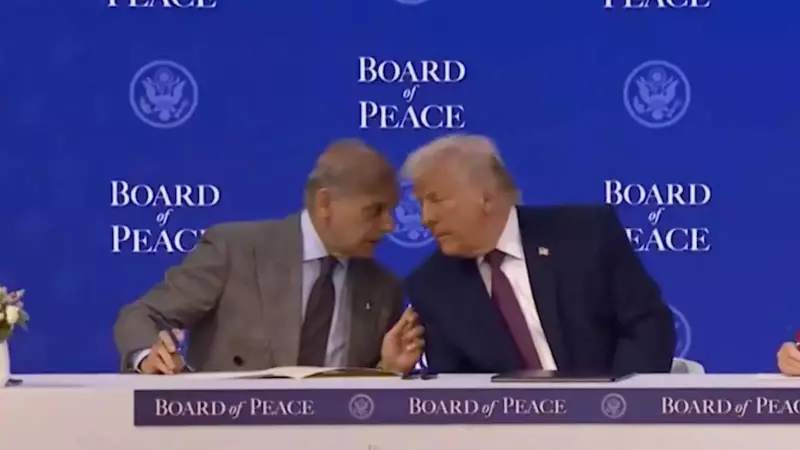
In a stunning diplomatic reversal that has ignited a political firestorm, Pakistan Prime Minister Shehbaz Sharif has signed on to former US President Donald Trump's expanded Board of Peace initiative for Gaza, just six years after vehemently rejecting the same plan as unjust. The announcement, made at the World Economic Forum in Davos, Switzerland, has triggered widespread condemnation and debate within Pakistan's political landscape.
From Vocal Opposition to Unexpected Endorsement
Back in 2020, Shehbaz Sharif, then in opposition, publicly denounced Trump's Gaza peace proposal, calling it fundamentally unfair and deserving of outright rejection. His strong stance positioned him as a critic of what many in Pakistan viewed as American overreach in Middle Eastern affairs. However, in a remarkable about-face, the same leader, now serving as Prime Minister in 2026, has formally endorsed Trump's newly expanded peace framework.
Government Justification Versus Public Outcry
The Pakistani government has defended this dramatic shift, arguing that participation in the expanded Board of Peace represents a pragmatic move to support ceasefire efforts and humanitarian initiatives for Palestinians. Officials suggest that engagement with the framework could provide Pakistan with greater diplomatic leverage in regional discussions.

However, critics across the political spectrum have labeled the decision as a significant climbdown driven by geopolitical pressures and strategic compulsions. The Pakistan Tehreek-e-Insaf (PTI) party has demanded complete transparency regarding the terms of Pakistan's involvement and has warned against sidelining established United Nations mechanisms for conflict resolution.
Prominent Voices Condemn the Diplomatic Shift
Influential commentators and public figures have expressed strong disapproval of the government's decision. Noted analyst Zahid Hussain described the move as "disastrous for Pakistan's principled foreign policy," while writer Fatima Bhutto called it "a disgraceful abandonment of long-held positions." Their criticisms reflect broader concerns about consistency in Pakistan's international commitments.
Procedural Concerns and Democratic Deficit
Beyond substantive policy disagreements, activists and opposition politicians have raised serious procedural objections. They argue that such a significant foreign policy shift was undertaken without proper parliamentary debate or public consultation, bypassing democratic processes that should govern major diplomatic decisions. This has fueled accusations of executive overreach and lack of accountability.
Recalibrating Relations with Washington
The decision comes amid ongoing recalibration of Pakistan's relationship with the United States, with Islamabad navigating complex geopolitical currents in South Asia and the Middle East. Analysts suggest the move may represent an attempt to secure economic or strategic benefits from Washington, though the government has not explicitly linked the decision to any specific quid pro quo.
The Fundamental Question of Principle Versus Pragmatism
As the controversy intensifies, Pakistan's leadership now faces a difficult and persistent question: can abandoning previously stated principles be justified in the name of diplomatic pragmatism? The debate extends beyond this specific decision to touch upon fundamental questions about how nations balance ideological consistency with evolving strategic interests in a rapidly changing global landscape.
The political fallout from this diplomatic U-turn continues to unfold, with implications for both Pakistan's domestic politics and its international standing. As criticism mounts from multiple quarters, the government's ability to convincingly explain this reversal will likely determine whether this controversy subsides or escalates into a more significant political crisis.