Pakistan PM Thanks Trump for Iran Ceasefire Extension, Hopes for Peace Deal
Pakistan Prime Minister Shehbaz Sharif extended his gratitude to United States President Donald Trump on Wednesday for agreeing to prolong the ceasefire in the ongoing Iran conflict. Sharif articulated optimism that this diplomatic maneuver would carve out the necessary space for forging a durable and comprehensive peace agreement between the involved parties.
Official Thanks and Diplomatic Facilitation
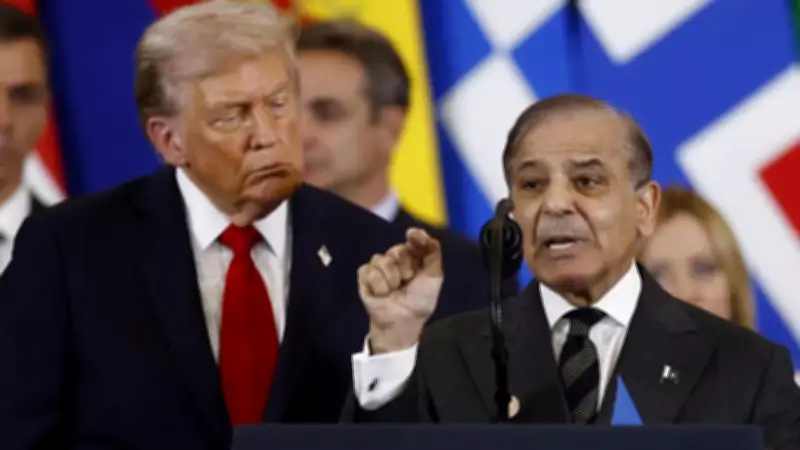
In a detailed post on the social media platform X, Prime Minister Sharif conveyed his appreciation. "On my personal behalf and on behalf of Field Marshal Syed Asim Munir, I sincerely thank President Trump for graciously accepting our request to extend the ceasefire to allow ongoing diplomatic efforts to take their course," Sharif stated. He further emphasized Pakistan's continued role as a mediator, adding, "With the trust and confidence reposed in, Pakistan shall continue its earnest efforts for negotiated settlement of conflict." This statement underscores Pakistan's active and persistent involvement in facilitating dialogue amidst regional tensions.
Optimism for Islamabad Talks and Peace Deal
Sharif also voiced strong hope regarding the next scheduled round of negotiations, which are expected to be held in Islamabad. "I sincerely hope that both sides will continue to observe the ceasefire and be able to conclude a comprehensive 'Peace Deal' during the second round of talks scheduled at Islamabad for a permanent end to the conflict," he remarked. This development aligns with President Trump's confirmation of the extension of the fragile truce, which was approaching its initial deadline. The US president clarified that the ceasefire would remain effective until Iran presents a "unified proposal" and the discussions reach their conclusion.

Persistent Uncertainty and International Reactions
Despite the ceasefire extension, a cloud of uncertainty continues to loom over the negotiation process. Iran has not yet formally confirmed its participation in the upcoming talks and has indicated that its engagement is contingent upon the negotiations promising substantive and meaningful outcomes. Concurrently, the United States has maintained its naval blockade of Iranian ports, a measure that Tehran has explicitly denounced as a violation of the ceasefire terms.
Global leaders have responded to the ceasefire extension with cautious optimism. United Nations Secretary-General António Guterres described it as "an important step toward de-escalation," urging all parties to capitalize on this opportunity to advance dialogue. The conflict has inflicted a severe human toll, with the Associated Press reporting more than 3,300 fatalities in Iran and over 2,200 in Lebanon, alongside additional casualties in Israel and Gulf countries since the hostilities commenced.
Pakistan's Mediating Role and Unresolved Issues
Pakistan has been instrumental in its mediating capacity, with Prime Minister Sharif, Army Chief Asim Munir, and other senior officials intensively engaging in diplomatic endeavors to bring both conflicting sides to the negotiation table. However, significant sticking points remain unresolved, including the contentious US naval blockade and ongoing concerns regarding Iran's nuclear program. These issues continue to pose challenges to achieving a final and sustainable peace agreement, highlighting the complex nature of the diplomatic landscape.