

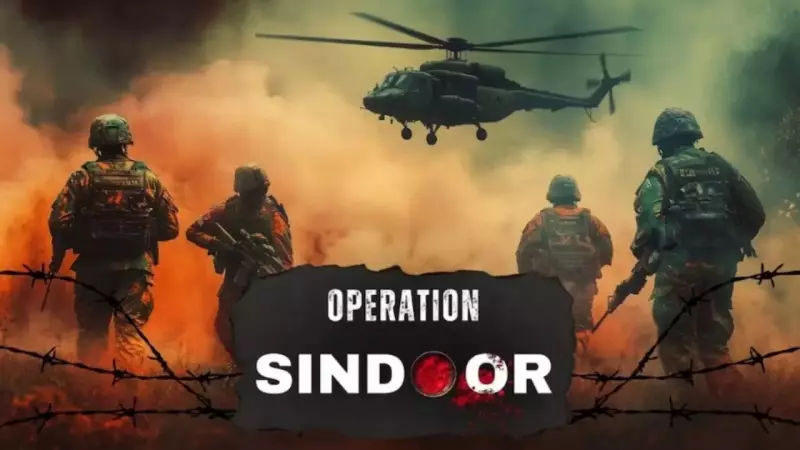
In the wake of India's decisive military retaliation for a terror attack in Pahalgam, Pakistan launched a frantic, behind-the-scenes campaign urging the United States to intervene and halt New Delhi's operations. This high-level panic is laid bare in official US Foreign Agents Registration Act (FARA) filings, which document a flurry of diplomatic activity from Islamabad.
The Lobbying Blitz: Over 60 Contacts in Three Days
Disclosures from the filings show that between May 7 and May 10, Pakistani diplomats initiated a concentrated lobbying effort in Washington. This period directly followed the Indian Air Force strikes on terror camps belonging to groups like Jaish-e-Mohammed (JeM), Lashkar-e-Taiba (LeT), and Hizbul Mujahideen, and preceded a crucial phone call from Pakistan's Director General of Military Operations, Major General Kashif Abdullah, to his Indian counterpart, Lt General Rajiv Ghai.
During this short window, the Pakistani embassy, including its ambassador and defence attache, made over 60 points of contact with high-ranking US officials and media houses. These contacts, comprising meetings, calls, and emails, had one primary objective: to solicit international intervention and "somehow halt" India's retaliatory military actions, known as Operation Sindoor.

While publicly, Pakistan attempted to downplay the impact of India's strikes, the FARA records confirm a significant level of private anxiety. The majority of the requested meetings were sought specifically between the launch of Operation Sindoor and the eventual suspension of India's military operations.
The Role of Squire Patton Boggs
This lobbying was conducted through the firm Squire Patton Boggs, which Pakistan had hired. Under US law, such lobbying firms must disclose the nature of their dealings to the Department of Justice. The filings reveal that the firm was originally engaged to help Pakistan navigate its removal from the Financial Action Task Force's (FATF) grey list.
However, following Operation Sindoor, the firm's activities expanded to crisis management. An email dated May 14 from the firm's representative, former US ambassador Paul W. Jones, to US diplomat Elizabeth K. Horst, explicitly sought a meeting with US Ambassador to India Eric Garcetti. The purpose was to "discuss and hear his perspectives on how best to move the relationship forward."
The email, identifying Squire Patton Boggs as a registered agent for Pakistan, also requested feedback on a one-page outline for improving US-Pakistan relations and sought a discussion on the FATF issue.
Post-Operation Diplomatic Outreach
The filings further indicate that Squire Patton Boggs circulated documents in diplomatic circles on Pakistan's behalf. These documents "appreciated the constructive role played by the US and President Trump's expressed willingness to support efforts aimed at the resolution of J&K."
Shortly after Operation Sindoor, these documents also pushed for a "critical minerals agreement" and advocated for a bilateral relationship with the United States that would be independent of Pakistan's ties with its neighbours. This move appears to be an attempt to swiftly rebuild diplomatic bridges and secure economic and strategic partnerships in the aftermath of the military confrontation.
The exposed records paint a clear picture of the immediate diplomatic fallout from India's military response. They underscore how Pakistan, despite its public posturing, urgently turned to international mediation in an attempt to de-escalate the situation created by India's counter-terror strikes deep inside its territory.






