Pakistan's Defence Minister Signals Imminent Iran-US Negotiations
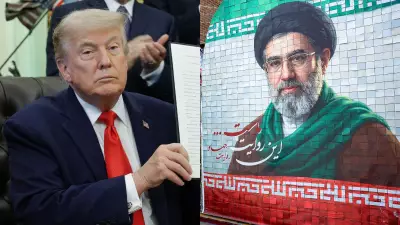
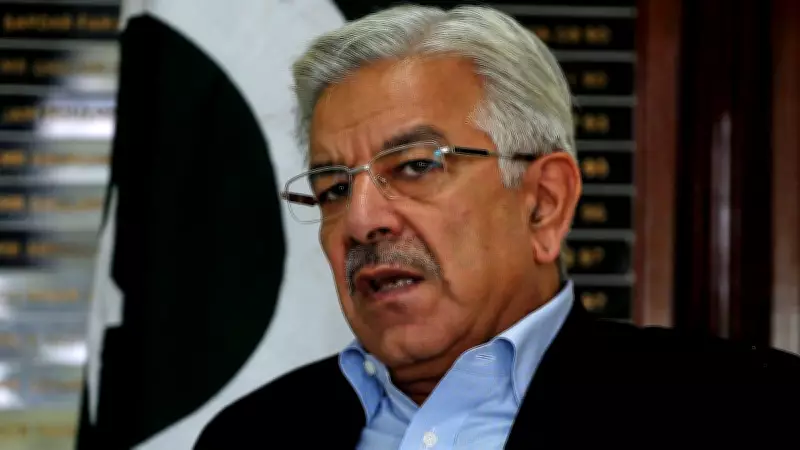
In a significant development for international relations, Pakistan's Defence Minister Khawaja Asif has announced that the next round of negotiations between Iran and the United States is expected to take place soon. This statement underscores Pakistan's active involvement in facilitating diplomatic dialogues aimed at easing tensions in the region.
Details of the Announcement
Khawaja Asif made this revelation during a recent public address, where he emphasized Pakistan's commitment to promoting peace and stability. He noted that the upcoming talks are part of ongoing efforts to address key issues between Iran and the US, which have been strained due to various geopolitical factors. The minister did not specify an exact date for the negotiations but indicated that preparations are underway, with both parties showing willingness to engage.
Pakistan's Diplomatic Role
Pakistan has historically positioned itself as a mediator in regional conflicts, leveraging its strategic location and relationships with both Iran and the United States. Asif highlighted that Pakistan's government is keen to support these negotiations, viewing them as crucial for reducing hostilities and fostering cooperation. This move aligns with Pakistan's broader foreign policy objectives of enhancing regional security and economic ties.

Key points from the announcement include:
- The negotiations are anticipated to focus on nuclear agreements, sanctions, and regional security concerns.
- Pakistan aims to provide a neutral platform for dialogue, ensuring constructive outcomes.
- The timing of the talks is seen as critical, given recent escalations in Middle Eastern tensions.
Implications for Regional Stability
The prospect of renewed Iran-US negotiations could have far-reaching effects on global diplomacy. If successful, these talks might lead to eased sanctions, improved bilateral relations, and a reduction in conflict risks. However, challenges remain, including differing stances on nuclear programs and regional influence. Asif expressed optimism that both nations are ready to make compromises for the greater good.
Experts suggest that Pakistan's involvement adds a layer of credibility to the process, given its experience in conflict resolution. The international community is closely monitoring these developments, hoping for a breakthrough that could stabilize the volatile region.
In conclusion, Pakistan's Defence Minister's announcement marks a hopeful step toward resolving long-standing disputes between Iran and the United States. As preparations for the negotiations advance, the world watches with anticipation for positive outcomes that could reshape diplomatic landscapes.