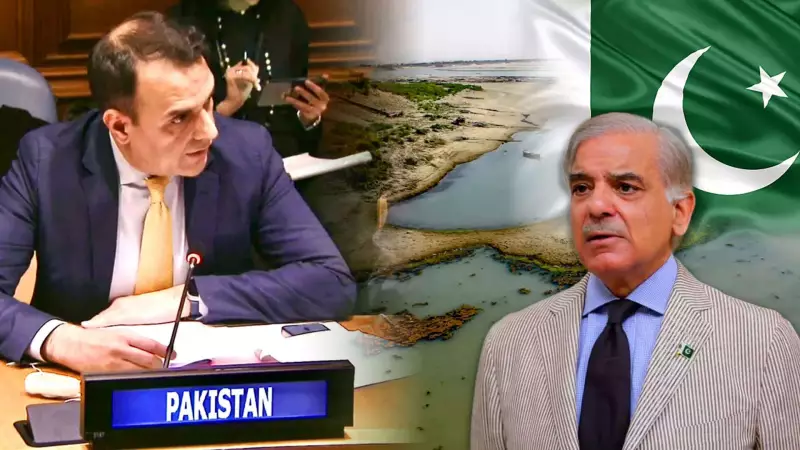
Pakistan Sounds Alarm at UN Over India's Indus Waters Treaty Suspension
In a dramatic move at the United Nations, Pakistan has declared a crisis over India's decision to suspend the Indus Waters Treaty, labeling it a dangerous "weaponisation of water" that threatens regional stability. Islamabad argues that this action endangers millions of people who depend on the Indus river basin for their livelihoods and survival, framing it as an existential threat to the region's fragile peace.
India's Firm Response: Linking Water to Terrorism Accountability
India has responded with a hardened stance, reminding the international community that the Indus Waters Treaty has endured numerous challenges over decades—including wars, military conflicts, and prolonged hostility between the two nations. However, New Delhi emphasizes that the treaty cannot remain insulated from security realities, particularly in the face of persistent cross-border terrorism.
The Indian position cites the loss of thousands of Indian lives to Pakistan-sponsored terrorist attacks, with specific reference to the tragic April 2025 Pahalgam killings in Jammu and Kashmir. This incident has become a pivotal point in India's argument, symbolizing what it describes as Pakistan's failure to curb terror groups operating from its soil.

A Decisive Shift in Bilateral Relations
As Pakistan seeks urgent UN intervention to address what it calls a humanitarian and environmental crisis, India is signaling a fundamental policy shift. The message from New Delhi is clear: water cooperation will now be directly tied to terrorism accountability. This represents a significant departure from previous approaches where water issues were often treated separately from security concerns.
The development marks a new phase in India-Pakistan relations, where:
- Water resources become leverage in counter-terrorism efforts
- Historical agreements face re-evaluation based on contemporary security threats
- International diplomacy must navigate complex intersections of resource management and national security
This confrontation at the UN highlights the deepening divide between the neighboring nations and sets the stage for potentially contentious diplomatic battles ahead. The outcome could reshape not only bilateral water sharing arrangements but also regional security dynamics in South Asia.