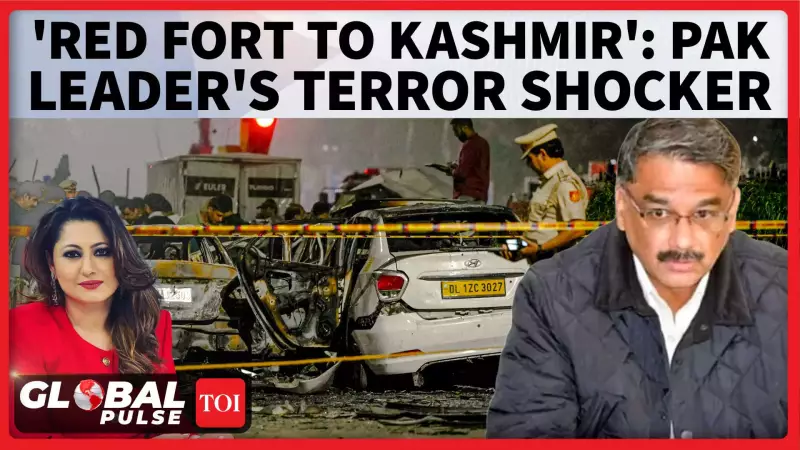
In a shocking development that has escalated tensions between the neighboring nations, a Pakistani leader has openly claimed responsibility for the recent terrorist attack in India's capital. The brazen admission has prompted strong reactions from Indian security experts, who are calling for immediate international action.
Pakistan's Provocative Claim
According to revelations made on November 20, 2025, Pakistani leader Anwarul Haq has taken credit for the November 10 Delhi blast, marking a significant escalation in cross-border tensions. The claim was described as "shameful" by security analysts and has raised serious concerns about Pakistan's continued involvement in terrorist activities against India.
The disturbing revelation came to light during a discussion on Global Pulse, where security experts analyzed the implications of this bold admission. The timing and nature of the claim suggest a calculated attempt to provoke India and test its response mechanisms.

Military Expert's Strong Response
Retired Lt. Gen. Syed Ata Hasnain, who previously served as GOC of the crucial 15 Corps, provided a stark assessment of the situation. The former general stated that Pakistan has been systematically experimenting to test India's tolerance limits through such provocations.
Hasnain, with his extensive experience in handling security matters in sensitive regions, emphasized the need for a strategic response. He strongly advised that India must immediately bring this matter to international platforms and expose Pakistan's support for terrorism globally.
"This is not just about one incident," the retired general implied during the discussion, "but part of a pattern that requires comprehensive exposure and diplomatic pressure."
Broader Implications and Required Action
The open admission by a Pakistani leader represents a significant shift in tactics, moving from covert support to overt claims of responsibility. Security analysts believe this could indicate either increased confidence in their operations or a deliberate attempt to escalate tensions between the nuclear-armed neighbors.
The November 10 Delhi blast, now claimed by Pakistani elements, underscores the continuing threat of cross-border terrorism that India faces. The incident and subsequent claims highlight the urgent need for:
- Enhanced international diplomatic pressure on Pakistan
- Strengthened counter-terrorism mechanisms
- Global awareness about Pakistan's terrorist affiliations
- Robust intelligence sharing among friendly nations
As the situation develops, security experts emphasize that India must maintain strategic patience while ensuring that such provocations do not go unanswered in international forums. The exposure of Pakistan's actions, as recommended by Lt. Gen. Hasnain, could be crucial in building global consensus against state-sponsored terrorism.