

Oman Facilitates Separate Iran-US Diplomatic Meetings in Muscat
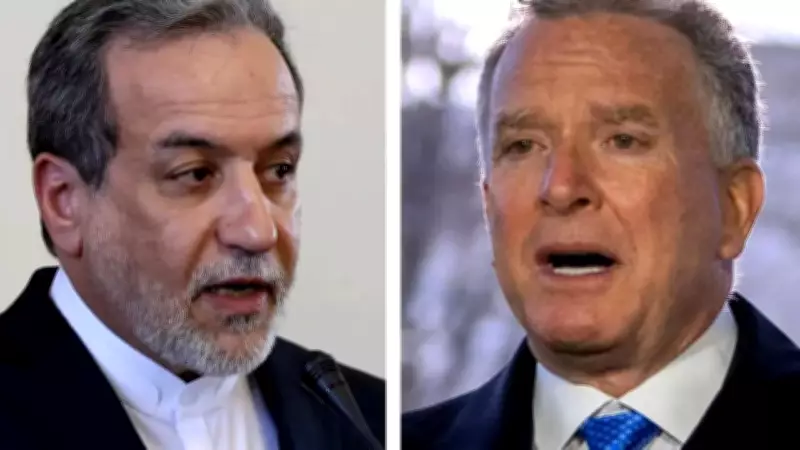
In a significant diplomatic maneuver, the Sultanate of Oman hosted separate high-level talks with officials from Iran and the United States on Friday. The meetings occurred in Muscat against a backdrop of persistently high tensions surrounding Iran's controversial nuclear program. Oman's foreign ministry confirmed that Foreign Minister Badr al-Busaidi engaged in distinct discussions with Iranian Foreign Minister Abbas Araghchi and US Middle East envoy Steve Witkoff, who was accompanied by Jared Kushner, the son-in-law of former US President Donald Trump.
Focus on Preparing Ground for Nuclear Negotiations
The consultations primarily aimed to establish the appropriate conditions for restarting diplomatic and technical negotiations. Oman's foreign ministry emphasized the critical importance of these talks, noting the parties' shared determination to ensure their success in achieving sustainable security and stability in the region. Subsequent footage released by the state-run Oman News Agency revealed an unusual participant: US Navy Admiral Brad Cooper, the head of the US Central Command. His presence marked a departure from previous rounds of discussions and underscored the military dimensions of the ongoing tensions.
Context and Stakes of the Latest Diplomatic Effort
Oman has previously acted as a mediator, hosting talks between Iran and the US in 2025. Gulf Arab nations remain deeply apprehensive that any military escalation could trigger a broader regional conflict. No specific details from the latest Muscat meetings have been disclosed publicly by Oman, the US, or Iran. These discussions represent the first diplomatic contact since the US participated in Israel's military actions against Iran in June. They also follow closely on the heels of a severe crackdown by Iranian authorities on domestic protests, which human rights organizations claim resulted in thousands of fatalities.

Diverging Positions and Firm Stances
Iran has explicitly stated that the talks should concentrate solely on its nuclear program. Just prior to the Friday meetings, Foreign Minister Araghchi declared on social media platform X that Iran is fully prepared to defend its sovereignty and national security against any external pressure. He asserted, "Iran enters diplomacy with open eyes and a steady memory of the past year. We engage in good faith and stand firm on our rights." In contrast, US officials have expressed a desire to broaden the agenda to include Iran's missile program and its support for various regional groups. Iran has consistently maintained that discussions must remain strictly limited to nuclear issues.
Historical Tensions and Recent Military Posturing
Previous negotiation attempts collapsed following Israel's 12-day war against Iran in June. During that conflict, the US conducted strikes on Iranian nuclear facilities, potentially damaging centrifuges used for uranium enrichment. Israel also targeted Iran's air defense systems and ballistic missile capabilities. Since then, the US has significantly bolstered its military footprint in the region, deploying the aircraft carrier USS Abraham Lincoln, additional warships, and extra fighter jets. Tensions remain acutely high, exemplified by recent incidents where US forces intercepted an Iranian drone near the USS Abraham Lincoln and Iran attempted to halt a US-flagged vessel in the strategically vital Strait of Hormuz.
US Secretary of State Marco Rubio commented on the challenging path ahead, stating, "Reaching an agreement may be difficult but added, 'I'm not sure you can reach a deal with these guys, but we're going to try to find out.'" The diplomatic efforts in Oman, therefore, occur within a complex matrix of military readiness, regional anxieties, and fundamentally divergent negotiating positions, making the pursuit of a sustainable agreement a formidable task for all parties involved.






