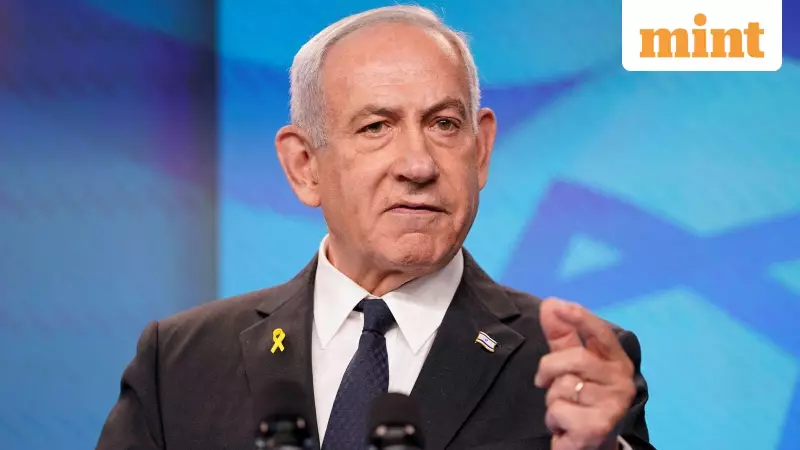
Binyamin Netanyahu, Israel's longest-serving prime minister, is gearing up for a monumental political battle on two fronts. As he prepares to lead the Likud Party for a record 12th time in an upcoming general election, he is simultaneously launching a campaign to rehabilitate Israel's severely damaged global reputation following the Gaza conflict. In an exclusive filmed interview for "The Insider" with The Economist on January 8th in Jerusalem, a campaign-ready Netanyahu laid out his vision.
The Quest for a Historic Fifth Term
Netanyahu, who has already spent over 18 years in office, could become the longest-serving democratic leader globally since World War II if he secures another victory. The election date remains unset, but the Prime Minister is clear about his motivation. "As long as I believe that I can secure Israel's future, to which I've devoted my life, both as a soldier and as a politician, as a statesman, then I'll do so," he stated. However, current polls present a significant hurdle, showing his coalition of nationalist and religious parties falling well short of a majority.
Domestically, the shadow of the devastating Hamas attack on October 7, 2023, looms large. The upcoming election is likely to serve as a referendum on whether voters hold Netanyahu responsible for the security failures that day. When questioned about being caught unawares, Netanyahu said he is prepared to answer before an inquiry he has yet to establish. He avoided taking direct "responsibility," instead spreading blame to intelligence services and his cabinet, arguing the failure was collective.

Waging a Global Propaganda War
A central pillar of Netanyahu's strategy is reversing the international fallout from the Gaza war, which resulted in widespread destruction and over 70,000 Palestinian deaths. Israel's image, he admits, is tarnished not just among critics but also former Western supporters. "I'd like to do everything I can to fight the propaganda war waged against us," he declared, criticising Israel's current efforts as akin to "using cavalry against F-35s." He blamed a flood of fake bots on social networks for distorting the narrative.
Netanyahu, known for his media prowess since his days as UN ambassador in the 1980s, believes influencing foreign governments requires winning public opinion—a battle Israel is currently losing. He argues Israel faces unreasonable scrutiny and deep-seated prejudice, drawing a parallel between modern criticisms of Israel and medieval antisemitic libels. He hopes the Gaza ceasefire will ease media focus and allow facts to regain ground over propaganda.
Navigating Alliances and Regional Tensions
In a significant revelation, Netanyahu discussed recalibrating Israel's relationship with its chief ally, the United States. He stated he is not seeking a full renewal of the current ten-year American military aid package, worth $3.8 billion annually and set for renegotiation in 2028. For the first time publicly, he proposed tapering U.S. aid to zero over a decade, while vowing to continue fighting "for the allegiance of the American people." This comes as parts of the Trump-aligned MAGA movement grow increasingly critical of Israel.
On the regional front, Netanyahu predicts an expansion of the Abraham Accords, downplaying Arab leaders' concern for the Palestinian issue. "Many of them don't give a hoot... They care about its effect on the street," he claimed. This stance may clash with his domestic political needs, as his government has overseen sharp increases in West Bank settlement expansion and settler violence, with some coalition members calling for annexation.
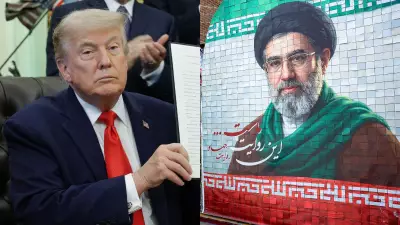
Regarding Iran, where mass protests threaten the regime, Netanyahu was uncharacteristically restrained. "Revolutions are best done from within," he observed, neither endorsing nor rejecting U.S. President Donald Trump's threats to act against Tehran. He issued one clear warning: "If Iran attacks us, which they might, then there will be horrible consequences for Iran." He also confirmed securing a public commitment from Trump for joint strikes if Iran rebuilds its nuclear program.

Domestic Challenges: Economy, Tech, and Ultra-Orthodox Draft
Netanyahu's campaign will also confront pressing domestic issues. Israel's economy has recovered well from the war, buoyed by foreign investment in tech and strong European demand for weapons. However, the country's technological edge relies on a secular, centrist talent pool often at odds with his government. Netanyahu dismissed reports of a brain drain as "ridiculous," a concern echoed by his main challenger, Naftali Bennett.
A contentious domestic issue is the role of the ultra-Orthodox community, key political allies of Netanyahu. Their voters receive substantial benefits while many men avoid military service and do not work. On this, Netanyahu offered a middle path, promising a law to encourage army service while allowing "the select few to study the Torah"—a compromise likely to satisfy neither the ultra-Orthodox nor their critics.
As Netanyahu embarks on these dual campaigns, his success hinges on convincing both Israeli voters and the world that his leadership remains indispensable for Israel's security and its place among civilized nations. The coming months will test whether his decades-old arguments can overcome the profound challenges of today.