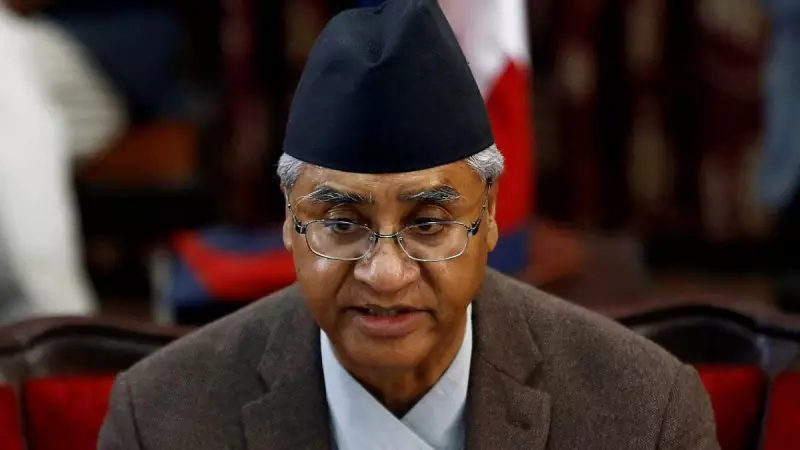
Former Nepal Prime Minister Sher Bahadur Deuba has taken legal action against a new faction within his own political party. He moved the Supreme Court of Nepal to challenge the official recognition of this breakaway group.
Deuba Faction Files Writ Petition
Leaders from the Deuba faction formally approached the Supreme Court on Friday. They submitted a writ petition on behalf of the former Prime Minister. Acting president Purna Khadka led the delegation to the court.
Legal Challenge Against Party Recognition
The writ specifically contests the recognition granted to a new faction inside the Nepali Congress party. Deuba, who also served as the party's president previously, argues this recognition lacks legal validity. His faction maintains the move creates internal division without proper authority.

This legal step highlights ongoing tensions within Nepal's oldest political party. The Nepali Congress has experienced internal strife before, but this court case marks a significant escalation. Observers note the timing is crucial with Nepal's political landscape in flux.
Background of the Political Dispute
Sher Bahadur Deuba remains a prominent figure in Nepali politics. He has served as Prime Minister on multiple occasions. His influence within the Nepali Congress party is substantial, though recently challenged.
The emergence of a new faction signals deeper ideological or strategic disagreements. Party insiders suggest disagreements over leadership style and election strategies fueled the split. The recognition of this faction by certain party organs prompted the legal response.
Political analysts in Kathmandu are watching the case closely. A Supreme Court decision could set important precedents for internal party democracy in Nepal. The ruling might also impact the balance of power ahead of future elections.
The court has not yet announced a hearing date for the writ petition. Legal experts anticipate proceedings could take several weeks given the case's political sensitivity. Both factions are preparing their legal arguments vigorously.
This development underscores the volatile nature of coalition politics in Nepal. It also demonstrates how legal avenues are increasingly used to resolve internal party disputes. The outcome may influence similar cases in other political parties across the country.