INSV Kaundinya Completes Historic Maiden Voyage to Muscat
The Indian Navy's unique stitched sailing vessel, INSV Kaundinya, has successfully reached Muscat in Oman on its first overseas journey. This remarkable ship sailed from Porbandar in Gujarat, marking a significant achievement for traditional maritime technology.
A Celebration of Shared Maritime Heritage
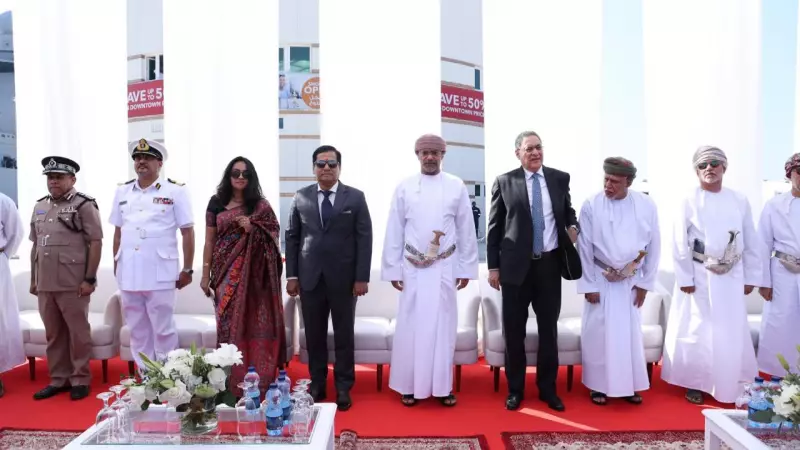
The arrival in Muscat represents an important moment in the long-standing maritime relationship between India and Oman. Union Minister of Ports, Shipping and Waterways Sarbananda Sonowal personally welcomed the ship and its crew at Port Sultan Qaboos. This event underscores the deep historical connections between the two nations.
Following Ancient Trade Routes
INSV Kaundinya's voyage retraces traditional trade routes that have connected India and Oman for over five thousand years. The journey highlights the enduring maritime, cultural and civilizational ties that have flourished between these countries for millennia.

Traditional Shipbuilding Techniques
This vessel represents a fascinating example of ancient shipbuilding methods. Constructed using techniques believed to date back to the 5th century CE, INSV Kaundinya features wooden planks stitched together with coir rope made from coconut fibre. The builders sealed the seams using natural resins, cotton and oils to ensure the ship remains seaworthy.
Wind-Powered Navigation
The ship operates entirely without modern engines, relying solely on sails for propulsion. A crew of approximately fifteen specially trained sailors manages the vessel under traditional sailing conditions, demonstrating skills that have been passed down through generations of Indian mariners.
Design Inspired by Ancient Sources
INSV Kaundinya's design draws inspiration from multiple historical sources. These include ship depictions found in the Ajanta cave paintings, descriptions in ancient Indian texts, and accounts recorded by foreign travellers. Since no original blueprints survived, the Indian Navy reconstructed the design through careful visual interpretation and scientific validation.
Academic institutions, including IIT Madras, supported the project by conducting hydrodynamic testing and stability studies. Their work ensured the vessel could safely undertake open ocean voyages despite its ancient design principles.
A Rare Operational Deployment
This voyage represents an exceptionally rare operational deployment of a vessel built entirely using ancient stitched-plank technology. The ship contains no engine, no metal fastenings, and no modern propulsion systems. INSV Kaundinya relies completely on wind and sails, recreating the exact conditions under which Indian mariners once undertook long-distance oceanic voyages centuries ago.
The successful completion of this maiden voyage demonstrates both the viability of ancient shipbuilding techniques and India's commitment to preserving its rich maritime heritage. As INSV Kaundinya continues its journey, it serves as a floating testament to the ingenuity of India's ancient seafaring traditions.