

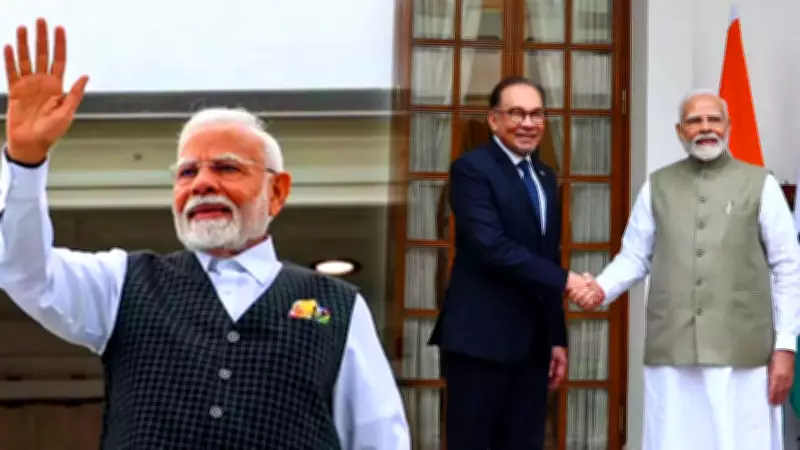
PM Modi's Strategic Malaysia Visit: A Multifaceted Diplomatic Push
As Prime Minister Narendra Modi arrives in Kuala Lumpur for a high-stakes diplomatic mission, India is advancing a comprehensive strategic agenda designed to strengthen bilateral ties and expand regional influence. The visit, marked by its timing and substance, underscores New Delhi's assertive posture in Southeast Asia, blending economic, technological, and security priorities into a cohesive foreign policy initiative.
Economic and Technological Cooperation at the Forefront
Central to the discussions with Malaysian leadership are several key economic and technological partnerships. Digital payments via the Unified Payments Interface (UPI) are poised for a significant breakthrough, with the anticipated NPCI-PayNet agreement set to embed India's fintech model deeper into the ASEAN economic landscape. This move not only facilitates cross-border transactions but also positions India as a leader in digital financial innovation.
In parallel, semiconductor manufacturing collaboration aligns perfectly with India's ambitious tech sovereignty goals, aiming to reduce dependency on global supply chains and foster indigenous production capabilities. Trade balance talks will also address mutual economic interests, ensuring a more equitable and robust commercial relationship between the two nations.

Defense and Security: A New Era of Strategic Partnership
Defense cooperation forms a critical pillar of this visit, with potential outcomes including:
- Aircraft sales and naval cooperation, enhancing maritime security and interoperability.
- Joint ventures in defense technology, leveraging India's growing defense manufacturing sector.
- Intelligence-sharing mechanisms to combat regional security threats.
These initiatives reflect a shared commitment to stability in the Indo-Pacific region, with Malaysia's strategic location in ASEAN adding considerable weight to such collaborations.
The Zakir Naik Extradition Issue: A Persistent Diplomatic Priority
Alongside economic and defense agendas, New Delhi is expected to renew its push for the extradition of Zakir Naik, the controversial Islamic preacher wanted in India on charges of money laundering and inciting extremism. This issue has remained a persistent point of contention, and India's continued pressure highlights its unwavering stance on bringing Naik to justice, underscoring the visit's broader security dimensions.
Broader Implications for India's Regional Influence
This visit transcends mere bilateral engagement; it is a calculated move by India to assert its influence in Southeast Asia. By addressing Malaysia's role in ASEAN trade reforms and fostering multi-sectoral partnerships, Modi's trip aims to solidify India's position as a key regional player. The integration of technology, defense, and economic diplomacy signals a holistic approach to foreign policy, one that balances soft power with strategic hard interests.
In summary, PM Modi's Malaysia visit encapsulates India's evolving global strategy—leveraging technological prowess, defense capabilities, and diplomatic persistence to carve out a more prominent role on the world stage. The outcomes of these discussions could set precedents for future engagements across the ASEAN region and beyond.






