Prime Minister Narendra Modi and visiting German Chancellor Friedrich Merz held significant talks in Gandhinagar, Gujarat, on Monday, emphasizing a strategic shift from a shared historical legacy to a dynamic modern partnership. The leaders underscored the deep intellectual connections between the two nations while charting a course for enhanced contemporary cooperation.
Historical Foundations of a Contemporary Bond
Addressing a joint press conference after their meeting, Prime Minister Modi reflected on the profound and often overlooked influence of Indian thinkers and freedom fighters on Germany's intellectual and political evolution. He pointed out that this shared history forms a unique and solid foundation for the bilateral relationship in the 21st century.
The meeting took place on January 12, 2026, marking a key diplomatic engagement. Modi stressed that the two democracies are now successfully converting their historical camaraderie into a robust, forward-looking partnership focused on technology, sustainable development, and global challenges.

A Meeting Blending Diplomacy and Culture
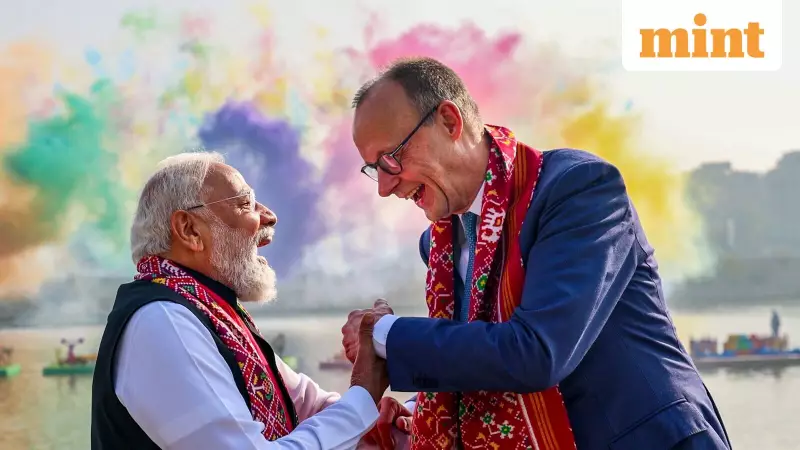
The official agenda was seamlessly interwoven with cultural symbolism. In a memorable display of Gujarat's vibrant traditions, the two leaders were seen sharing a light moment against the colourful backdrop of the International Kite Festival in Ahmedabad. The visual of them greeting each other with smoke trails from kites painting the sky over the Sabarmati river, shared by the official handle of the Ministry of External Affairs, captured the spirit of the visit.
This blend of formal dialogue and cultural immersion highlighted the multifaceted nature of the India-Germany partnership, which extends beyond government-to-government contacts into people-to-people connections.
Key Takeaways and the Path Forward
The discussions between Prime Minister Modi and Chancellor Merz are expected to pave the way for deeper collaboration in several critical areas. While specific details of the talks were not fully disclosed, the emphasis was on creating a modern framework for engagement.
The leaders' presence at the kite festival was not merely ceremonial. It served as a powerful metaphor for the aspirations of the partnership—soaring high, guided by strong strings of mutual interest and shared democratic values. The meeting in Gandhinagar has effectively set a renewed tone for bilateral relations, moving from historical appreciation to actionable contemporary alliances in trade, green energy, and strategic dialogue.
This high-level engagement signals a mutual commitment to strengthening ties, with both nations recognizing each other as crucial partners in an increasingly complex global order. The outcomes of this meeting are likely to influence the strategic and economic dialogue between India and Germany in the coming years.