Mexico Takes Defiant Stance Against U.S. Over Cuba Energy Support
A simmering energy crisis in Cuba is escalating into a major geopolitical confrontation, drawing in the United States, Mexico, Russia, and China. As Cuba faces severe blackouts and fuel shortages, Mexico has become a critical energy supplier, a move that now puts it at odds with President Donald Trump's administration. The U.S. has warned of imposing harsh tariffs on countries aiding Cuba, setting the stage for a tense standoff.
Humanitarian Aid vs. Economic Survival
According to Reuters sources, Mexican officials are engaged in near-daily discussions with Washington as they navigate the delicate balance between providing humanitarian assistance to Cuba and protecting their own economic interests. Cuba relies on imports for approximately two-thirds of its energy needs, a dependency that has grown more precarious following U.S. sanctions on Venezuelan oil shipments. The United Nations has raised alarms about a potential humanitarian breakdown on the island, adding urgency to the situation.
Mexico's Defiant Response
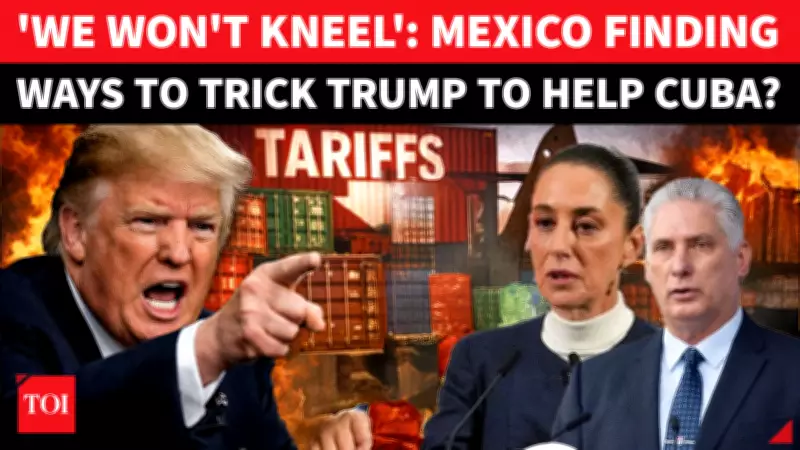
In a bold declaration, Mexican President Claudia Sheinbaum has asserted that Mexico "does not kneel" and will not surrender its sovereignty in the face of U.S. pressure. Her statement, "Mexico won't surrender," underscores the country's resolve to maintain its energy lifeline to Cuba despite the threat of tariffs. This hardening stance reflects a broader geopolitical shift, with Russia and China also backing Cuba, complicating U.S. efforts to isolate the island nation.

White House and Havana's Conflicting Views
The White House maintains that Cuba is on its "last leg," emphasizing a strategy to pressure the regime through economic measures. However, Havana accuses the U.S. of transforming tariffs into an energy blockade, arguing that such actions exacerbate the humanitarian crisis. This dispute highlights the deepening rift between the U.S. and its ally Mexico, as well as the involvement of global powers like Russia and China in supporting Cuba.
Geopolitical Implications
The energy crisis in Cuba has evolved into a proxy conflict, with multiple nations taking sides. Key points include:
- U.S. Tariff Threats: Trump's administration is leveraging economic penalties to deter support for Cuba, targeting Mexico's energy exports.
- International Backing: Russia and China are providing diplomatic and possibly material support to Cuba, countering U.S. influence in the region.
- Humanitarian Concerns: The U.N. warns of severe consequences if energy shortages persist, putting pressure on all parties to find a resolution.
- Sovereignty Issues: Mexico's defiance signals a challenge to U.S. hegemony, emphasizing national autonomy in foreign policy decisions.
As tensions mount, the outcome of this geopolitical showdown could reshape alliances in the Americas and beyond, with Mexico's role as a key player in Cuba's survival hanging in the balance.