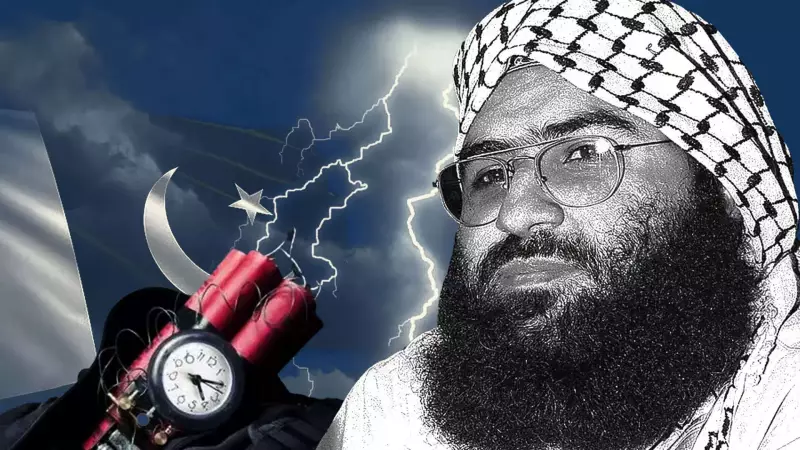
In a chilling resurgence, the chief of the Pakistan-based terror outfit Jaish-e-Mohammed (JeM), Masood Azhar, has issued a fresh audio threat directed at India. The alleged recording, which began circulating on January 12, 2026, carries a menacing warning about the scale of his group's readiness for suicide attacks.
A Familiar Tactic of Fear Resurfaces
The audio message from the elusive terrorist leader claims that suicide bombers are waiting in numbers so large it would shock the world if revealed. "Not one, not a thousand," the voice purportedly belonging to Azhar states, emphasizing the magnitude of the threat. For Indian security agencies, this propaganda is a familiar tactic, often deployed to instill fear and project strength after operational setbacks.
The timing of this message is particularly significant. It comes in the wake of recent, decisive actions by India. Indian strikes on Jaish-e-Mohammed targets inside Pakistan and the intelligence successes of Operation Sindoor, which exposed the deep nexus between terror groups and Pakistan's military establishment, have reportedly put the organization on the back foot. This audio is seen as a desperate attempt to regain relevance and morale.

The Elusive Chief and India's Firm Stance
Notably, Masood Azhar has not made a public appearance since the year 2019, making this audio release a key event. Indian security forces are analyzing the recording but remain focused on ground realities. The assessment within India's security establishment is clear: while the threat of cross-border terrorism persists, Pakistan and its proxy groups lack the capacity for a full-scale conventional war.
Senior Army leadership has consistently maintained that the western border remains sensitive, but Pakistan's actions are constrained. The recent threats are interpreted as a sign of weakness—a shift to propaganda after suffering tangible operational losses on the ground. Indian agencies are on high alert, monitoring all communications and movements, understanding that these groups continue to rely on such messages when their ability to execute large-scale attacks is diminished.
Propaganda After Action: The Established Pattern
The pattern is well-documented. Following successful Indian counter-terror operations, Pakistan-based groups frequently resort to audio and video releases to claim potency. The current audio threat fits this mold perfectly. It aims to counter the narrative of their weakening state and to recruit new followers through displays of defiance.
However, India's strategy remains unwavering. The combination of robust border vigilance, proactive intelligence-based operations like the recent strikes, and international diplomacy to isolate terror entities forms the cornerstone of the national security response. The message from New Delhi is that such audio threats will be met with concrete action, not fear.
The situation underscores a continuous cycle of action and reaction along the India-Pakistan frontier, where the battle of narratives is as critical as the one on the ground. For now, Indian security forces remain vigilant, treating the threat seriously but viewing it through the lens of a weakened adversary seeking a propaganda victory.