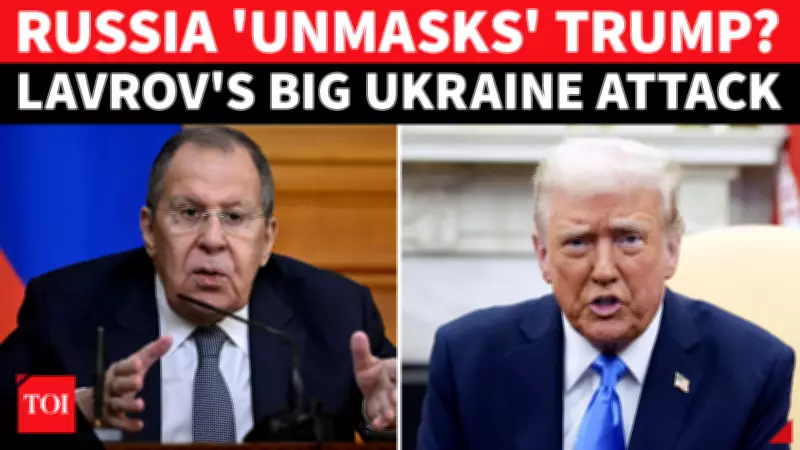
Russian Foreign Minister Sergey Lavrov has accused Washington of shifting its position on efforts to end the Ukraine conflict, arguing that genuine commitment to peace would have brought all sides to the negotiating table much earlier. Lavrov said Moscow had agreed to proposals put forward by the United States in Anchorage, but claimed Washington later changed course and stopped actively promoting those ideas with Ukraine. He described the US approach as inconsistent and questioned why responsibility for advancing negotiations is now being left primarily to the parties themselves.
The remarks come amid ongoing tensions between Russia and the West over the war in Ukraine, which has now entered its third year. Lavrov's comments highlight a growing frustration in Moscow over what it perceives as a lack of US leadership in brokering a peaceful resolution. The Anchorage proposals, reportedly discussed in early 2025, were seen as a potential framework for a ceasefire and eventual peace deal. However, Lavrov claims that Washington's enthusiasm for the plan waned, leaving the initiative stalled.
Background of the Anchorage Proposals
The Anchorage proposals were initially floated by US diplomats as a way to de-escalate the conflict and create conditions for a negotiated settlement. According to Russian sources, Moscow responded positively to the ideas, which included mutual troop pullbacks and a temporary ceasefire. However, Lavrov alleges that the US later backtracked, possibly due to pressure from Ukraine or internal political considerations.

US Response and Implications
The US State Department has not directly responded to Lavrov's accusations, but officials have previously stated that any peace process must be led by Ukraine. This position aligns with Washington's broader policy of supporting Kyiv's sovereignty and territorial integrity. Lavrov's criticism underscores the deep mistrust between Russia and the US, complicating efforts to find a diplomatic solution.
Analysts suggest that the dispute over the Anchorage proposals reflects a broader pattern of miscommunication and shifting priorities among global powers. As the war continues, the need for a credible peace process becomes more urgent, but the path forward remains uncertain.