JP Morgan CEO Flags US Reliability Concerns in Davos As India Emerges Key Partner For Canada
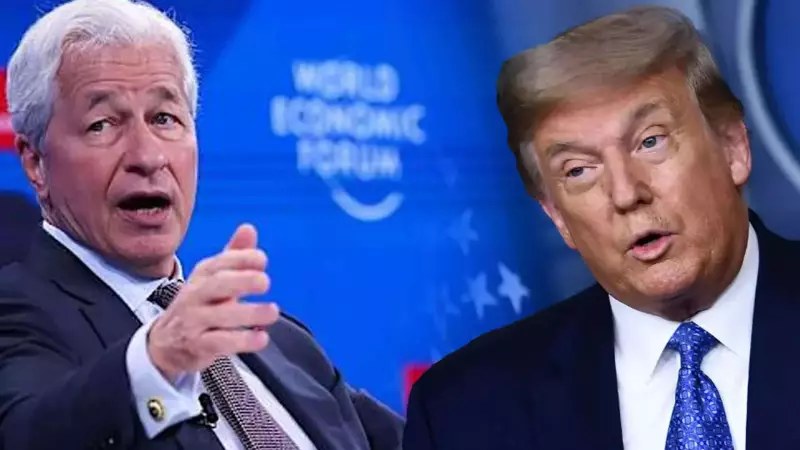
At the prestigious World Economic Forum in Davos, JP Morgan CEO Jamie Dimon delivered a nuanced yet impactful message that has resonated across global economic circles. While acknowledging America's continued leadership position, Dimon subtly questioned its full dependability in the current geopolitical landscape.
Strategic Shifts in Global Partnerships
This significant commentary coincided with Canada's Prime Minister Mark Carney resetting Ottawa's international strategy. The Canadian government is actively deepening economic and diplomatic ties with China while simultaneously preparing for an important diplomatic visit to India. These parallel developments signal a broader realignment of global partnerships that transcends traditional alliances.
India's Multipolar Approach Validated
For India, this evolving global dynamic serves as strong validation of its long-standing multipolar foreign policy approach. As Washington sends mixed signals through unpredictable tariff policies and strategic inconsistencies, nations worldwide are increasingly diversifying their international partnerships to mitigate risks and secure their economic futures.

India's strategic autonomy and rapidly expanding economy have positioned the nation as what many analysts now describe as the preferred hedge in this new global environment. The country's ability to maintain independent foreign relations while fostering economic growth has made it an increasingly attractive partner for nations seeking stable, predictable relationships.
The Global Rebalancing Act
The current transformation of international relations represents not a breakdown of the global order, but rather a significant rebalancing of power dynamics and economic influence. Countries are carefully reassessing their strategic positions and forming new alliances that better reflect contemporary economic realities and geopolitical considerations.
In this context, India is no longer operating from the sidelines of global diplomacy and economic strategy. The nation has emerged as a central player in this reconfiguration, with its growing economic clout and diplomatic influence making it an essential partner for countries navigating the complexities of today's international landscape.
The Davos discussions have highlighted how traditional assumptions about global leadership and dependability are being reconsidered, with nations like India gaining prominence as reliable, strategic partners in an increasingly multipolar world.