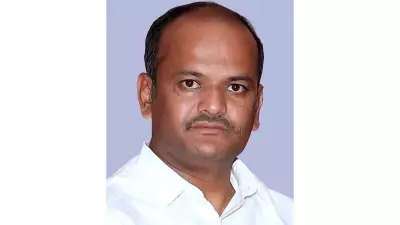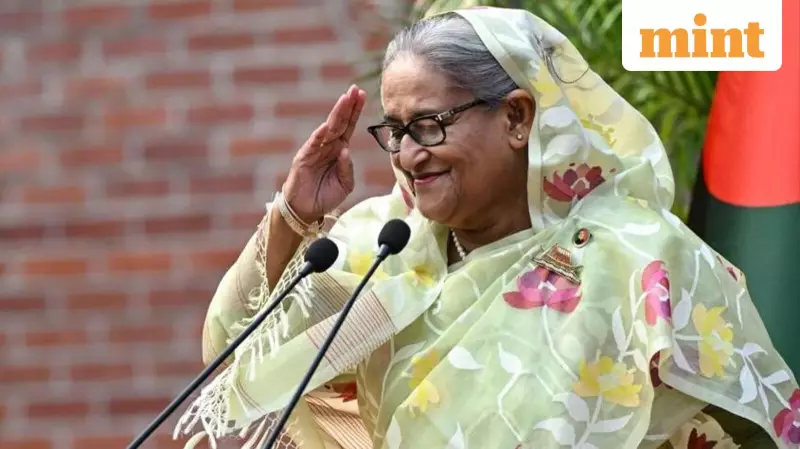
In a dramatic development that has intensified the political standoff between India and Bangladesh, Sajeeb Wazed Joy, son of former Prime Minister Sheikh Hasina, has categorically rejected the legitimacy of Dhaka's extradition request for his mother. Speaking exclusively to ANI, Joy alleged severe violations of judicial norms in the cases against the former Bangladeshi leader.
Judicial Process Compromised
Joy presented a detailed account of what he described as a complete breakdown of legal procedures in Bangladesh. He revealed that authorities had terminated 17 judges before the trial could commence, creating an environment where fair proceedings became impossible. The judicial system, according to him, has been fundamentally compromised by the interim government under Muhammad Yunus.
"They amended laws illegally without parliamentary approval and barred her defence attorneys from court proceedings," Joy stated during the interview. He emphasized that when there is no due process whatsoever, no country would consider extraditing anyone under such circumstances.

India's Life-Saving Intervention
The August 2024 asylum granted to Sheikh Hasina by Prime Minister Narendra Modi's government potentially saved her life, according to Joy's shocking revelation. He claimed that militants had planned to assassinate his mother if she hadn't left Bangladesh. This disclosure adds a grave security dimension to the already complex political situation.
"India has essentially saved my mother's life," Joy expressed with profound gratitude. The dramatic departure from Bangladesh now appears to have been necessitated by immediate threats to her safety rather than merely political considerations.
Terrorism Concerns and Regional Security
Joy made alarming claims about the security situation in Bangladesh under the interim government, assertions that are likely to resonate strongly with Indian security establishments. He alleged that the Yunus administration has released "tens of thousands of terrorists" previously convicted under Sheikh Hasina's government.
Even more concerning are his claims about Lashkar-e-Taiba operating freely in Bangladesh. Joy directly connected the political upheaval in Dhaka to India's security concerns, alleging links between the terrorist organization's local branch and recent terror attacks in Delhi.
"I think Prime Minister Modi is probably very, very concerned about terrorism from Bangladesh," Joy remarked, highlighting the cross-border implications of the current political crisis.
Questioning Government Legitimacy
Challenging the interim government's credibility, Joy pointed to the absence of elections despite Yunus being in power for an extended period. He cited polling data showing the student movement's political party garnering merely two percent support, raising questions about the government's claim of popular backing.
"If Muhammad Yunus was popular, then why would he not have held one election and then run the country with legitimacy?" Joy questioned during the interview. This fundamental challenge to the interim government's authority underscores the deep political divisions in Bangladesh.
The interim administration has defended its extended tenure as necessary to implement reforms following what it describes as years of authoritarian rule under Hasina. However, the absence of a firm election timeline continues to fuel criticism and suspicion about its intentions.
Joy expressed confidence that Indian authorities would reject the extradition request, citing the complete absence of proper legal procedures in Dhaka. The allegations come amid already strained relations between the two neighbors over the treatment of minorities and border security issues.