India has issued a robust diplomatic response to China following a series of troubling incidents where Indian citizens faced harassment at Chinese airports. External Affairs Minister Dr. S Jaishankar delivered a clear and unequivocal message, firmly stating that Arunachal Pradesh is and will always remain an inseparable part of India. He emphasized that no actions by any foreign nation can alter this established reality.
India Lodges Formal Protests Over Harassment
The strong statement from the External Affairs Minister comes in the wake of specific cases involving the detention of Indian nationals. India has formally lodged protests with Chinese authorities over the unacceptable treatment meted out to its citizens. The incidents include the detention of a woman from Arunachal Pradesh and a travel vlogger, whose details were highlighted in the official complaints. New Delhi has warned Beijing against such practices, labeling them as completely unacceptable.
Jaishankar's Unambiguous Message on Territorial Integrity
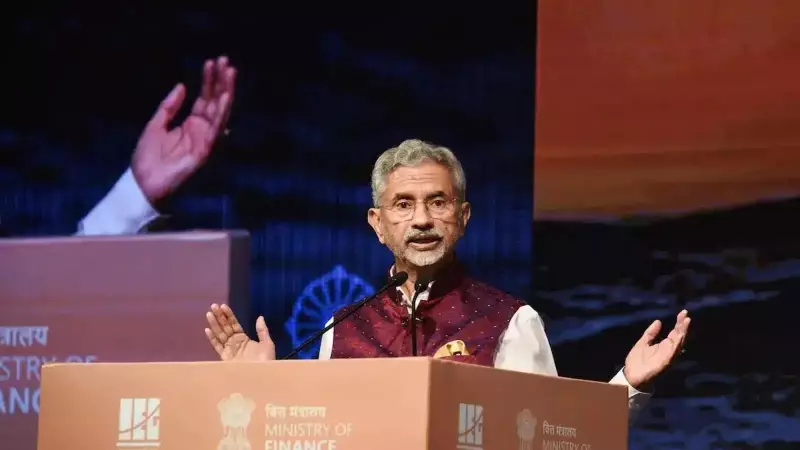
Dr. S Jaishankar, in his remarks, left no room for ambiguity regarding India's position on its territorial sovereignty. His declaration, "Arunachal Pradesh is and will always be a part of India", serves as a direct rebuttal to any contrary claims. The minister stressed that this is a fundamental fact that cannot be changed by any external force. This firm stance underscores India's commitment to protecting its territorial integrity and the rights of its citizens, no matter where they are.

Broader Context of India-China Relations
This diplomatic pushback occurs within the broader, often tense, context of India-China relations, which have seen challenges along the Line of Actual Control (LAC). The harassment of ordinary Indian travelers at Chinese airports adds a new dimension to the existing bilateral friction. India's sharp response indicates a policy of not tolerating any actions that undermine its sovereignty or the dignity of its passport holders. The government's move to immediately lodge formal protests demonstrates a proactive approach in defending citizen rights on the global stage.
The development highlights New Delhi's readiness to confront Beijing diplomatically over issues ranging from border disputes to the treatment of its nationals. As of January 2, 2026, this remains a developing situation, with India maintaining a vigilant stance to ensure the safety and respectful treatment of all its citizens abroad.