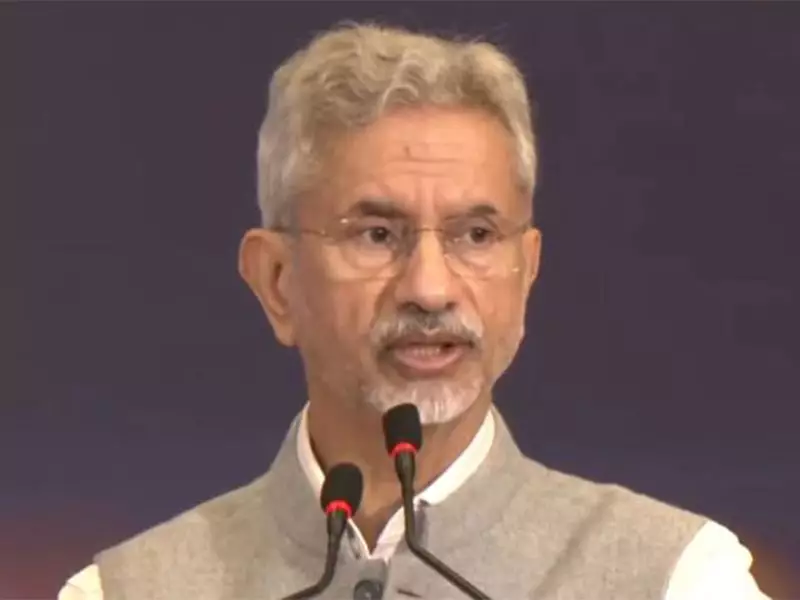
India's External Affairs Minister, Dr. S. Jaishankar, has issued a stark warning about the growing dangers of bioterrorism and called for the urgent establishment of a more robust global biosecurity framework. He made these critical remarks while addressing a panel discussion at the prestigious Munich Security Conference in Germany.
A Clear and Present Danger: The Bioterrorism Threat
Speaking on Saturday, February 17, 2024, Jaishankar highlighted that the threat of bioterrorism is no longer a theoretical concern but a very real and present danger in today's world. He pointed out that the risks have escalated significantly, moving beyond traditional state actors. The minister emphasized that non-state actors and rogue entities now possess the potential to access and misuse biological agents, creating a new dimension of global insecurity.
This warning comes against a backdrop of rapid advancements in science and technology, which, while beneficial, also lower the barriers for developing and deploying biological weapons. Jaishankar's intervention underscores a pressing need for the international community to reassess and strengthen its collective defenses against this opaque threat.

Revamping the Global Biosecurity Architecture
At the heart of Jaishankar's address was a call to action for reforming the existing international mechanisms designed to prevent biological warfare. He specifically pointed to the Biological Weapons Convention (BWC) as a cornerstone that requires urgent reinforcement. The minister argued that the current framework lacks the necessary teeth and verification protocols to be truly effective in the modern era.
"The existing global biosecurity architecture, primarily the Biological Weapons Convention, needs to be strengthened with more effective verification measures and greater international cooperation," Jaishankar stated. His proposal includes:
- Developing more reliable and transparent verification mechanisms for the BWC.
- Enhancing global cooperation in disease surveillance and early warning systems.
- Promoting responsible science and establishing norms against the misuse of biological research.
- Building capacities, especially in developing nations, to detect and respond to biological threats.
He stressed that a stronger framework is not just about preventing attacks but also about building resilience and ensuring a coordinated global response to any biological incident, whether natural, accidental, or deliberate.
India's Role and the Path Forward
Jaishankar positioned India as a responsible stakeholder willing to play a constructive role in shaping this new global consensus on biosecurity. He highlighted that India's own experience and capabilities in the pharmaceutical and biotechnology sectors make it a vital partner in this endeavor.
The minister's warnings and proposals at the Munich Security Conference, a key forum for debating international security policy, are likely to resonate widely. They bring the often-overlooked issue of biosecurity to the forefront of the global security agenda. The call for action signals India's proactive diplomacy in addressing non-traditional security challenges that transcend borders.
As geopolitical tensions persist and technological access expands, Jaishankar's message is clear: the world cannot afford to be complacent. Strengthening the global biosecurity framework is an immediate imperative to safeguard humanity from the devastating potential of bioterrorism and biological weapons proliferation.