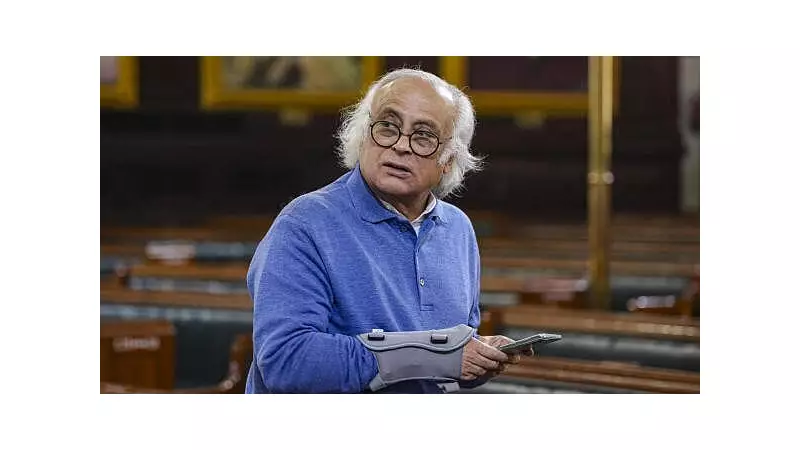
Congress Leader Jairam Ramesh Moves Supreme Court Against Ex-Post Facto Environmental Approvals
In a significant legal development, senior Congress leader and former Union Environment Minister Jairam Ramesh has filed a petition in the Supreme Court of India. The petition challenges the controversial practice of granting ex-post facto environmental clearances, which has raised concerns about the integrity of India's environmental governance framework.
Legal Challenge to Environmental Compliance Norms
The petition specifically targets the mechanism where projects that have already commenced operations or caused environmental damage are granted clearances retrospectively. Jairam Ramesh argues that this practice fundamentally violates the principles of environmental justice and undermines the statutory requirements established under laws such as the Environment Protection Act, 1986.
According to the petition, ex-post facto clearances create a dangerous precedent by allowing entities to bypass mandatory environmental assessments before initiating projects. This not only compromises ecological safeguards but also erodes public trust in regulatory institutions.

Implications for Environmental Governance and Public Interest
The legal move by Jairam Ramesh highlights several critical issues:
- Dilution of Environmental Standards: Retrospective approvals potentially weaken the enforcement of environmental norms, enabling projects to operate without prior scrutiny.
- Public Health and Ecological Risks: By regularizing violations after the fact, communities and ecosystems may be exposed to irreversible harm without adequate mitigation measures.
- Legal and Policy Concerns: The petition questions whether such practices align with constitutional mandates for environmental protection and sustainable development.
This case could set a landmark precedent for how environmental regulations are interpreted and implemented across India, influencing future policy decisions and corporate accountability.
Background and Context of the Petition
Jairam Ramesh, known for his advocacy on environmental issues during his tenure as Environment Minister, has consistently emphasized the need for stringent adherence to environmental laws. His petition comes amid growing debates over balancing economic development with ecological conservation.
The Supreme Court's response to this petition will be closely watched by environmentalists, legal experts, and industry stakeholders. It may lead to clarifications on the permissible scope of ex-post facto clearances and reinforce the importance of proactive environmental compliance.
If the court rules in favor of the petition, it could mandate stricter enforcement of pre-operational clearances, ensuring that projects undergo thorough environmental impact assessments before receiving approval. This would align with global best practices and strengthen India's commitment to sustainable development goals.