Italian Foreign Minister's Culinary Diplomacy Goes Viral in New Delhi
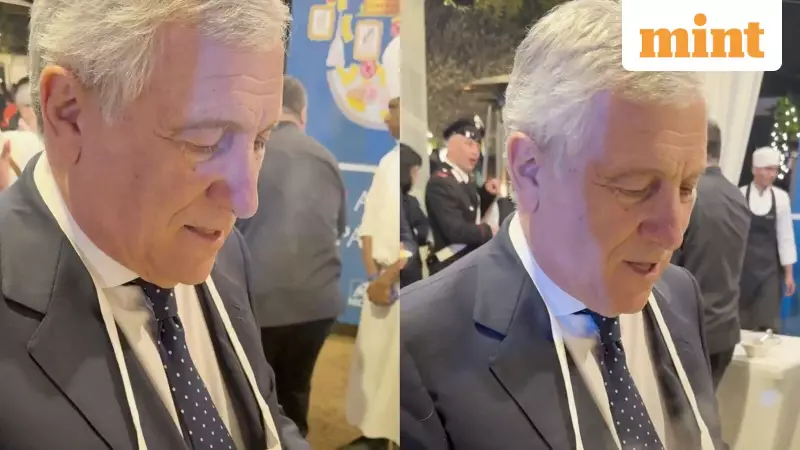
A charming diplomatic moment from New Delhi has captured global attention after Antonio Tajani, Italy's Minister of Foreign Affairs, was seen personally serving risotto to guests during a special gathering in the Indian capital. The light-hearted video, which has spread rapidly across social media platforms, showcases Tajani standing behind a counter at the Italian Embassy in New Delhi, carefully plating authentic Italian dishes for attendees.
Minister Turns Chef in Symbolic Gesture
Dressed in a crisp white apron over his formal black coat and blue tie, the Italian foreign minister took on the role of chef with evident enthusiasm. The footage shows him serving generous portions of the signature yellow-hued Italian rice dish to delighted guests, who responded with warm smiles and appreciative applause. This unexpected display of hospitality created an intimate atmosphere that contrasted with typical formal diplomatic events.
Celebrating UNESCO Recognition of Italian Cuisine
Sharing the video on his official X account, Tajani explained that the event marked a proud moment for Italy, coinciding with UNESCO's recent recognition of Italian cuisine as an Intangible Cultural Heritage of Humanity. He described the celebration as both a tribute to Italy's rich culinary traditions and a gesture honoring Italians worldwide. "This recognition by UNESCO validates what Italians have always known - that our food represents our history, our land, and our way of life," Tajani noted in his post.
Food as Bridge Between Nations
The gathering brought together an impressive array of diplomats, Indian government officials, prominent business leaders, and cultural figures, demonstrating how culinary traditions can serve as powerful connectors between different nations. Many observers interpreted Tajani's hands-on approach as symbolic of the warm and steadily growing relationship between India and Italy, suggesting that shared appreciation for food can create common ground where formal diplomacy sometimes struggles.
Beyond the Viral Moment: Substantive Diplomacy
While the risotto-serving video generated significant online buzz, Tajani's three-day visit to India carried substantial diplomatic weight beyond the viral culinary moment. The two nations are actively working to deepen cooperation across multiple strategic sectors including:
- Trade and Economic Partnerships: Enhancing bilateral trade agreements and investment flows
- Defense Collaboration: Strengthening security cooperation and defense technology sharing
- Clean Energy Initiatives: Partnering on renewable energy projects and sustainable development
- Educational Exchanges: Expanding student and academic collaboration between institutions
- Technological Innovation: Fostering joint research and development in emerging technologies
Soft Diplomacy in the Digital Age
The viral video has sparked widespread conversations online about the evolving nature of diplomacy in the digital era. Social media users and political commentators alike have noted how such authentic, humanizing moments can make international relations feel more accessible and personal. "In an age of formal statements and carefully scripted appearances, a minister serving food creates genuine connection," observed one diplomatic analyst.
This incident exemplifies how soft diplomacy - using cultural elements like food, art, or music to build international relationships - can complement traditional diplomatic channels. The positive reception to Tajani's gesture suggests that audiences worldwide respond favorably to leaders who demonstrate authenticity and cultural pride in informal settings.
Contrasting Diplomatic Approaches
Interestingly, while engaging in culinary diplomacy in New Delhi, Tajani simultaneously addressed more contentious international matters elsewhere. During the same period, Italy's foreign minister criticized remarks made by Ukrainian President Volodymyr Zelenskyy at the World Economic Forum in Davos. Zelenskyy had accused European nations of insufficient action against Russia, particularly regarding what he described as inadequate European Union measures to counter Moscow's so-called shadow fleet of oil tankers.
"Europe loves to discuss the future but avoids taking action today - action that defines what kind of future we will have," Zelenskyy stated during his Davos address, questioning why former US president Donald Trump could block tankers linked to the shadow fleet while Europe had not taken comparable steps.
The Ukrainian leader further claimed that concerns about potential Russian retaliation had prevented the European Commission from advancing an initial proposal to provide Ukraine with a reparations loan backed by frozen Russian assets. Zelenskyy also rebuked European leaders over their handling of broader security issues, including their approach to Greenland, while calling for stronger and more unified action from Europe.
This contrast between Tajani's warm culinary diplomacy in India and his firm stance on European security matters illustrates the multifaceted nature of modern foreign policy, where leaders must navigate both relationship-building and geopolitical challenges simultaneously.