Israel Provides Key Clarification on Iran Strike Timing Amid Indian Political Debate
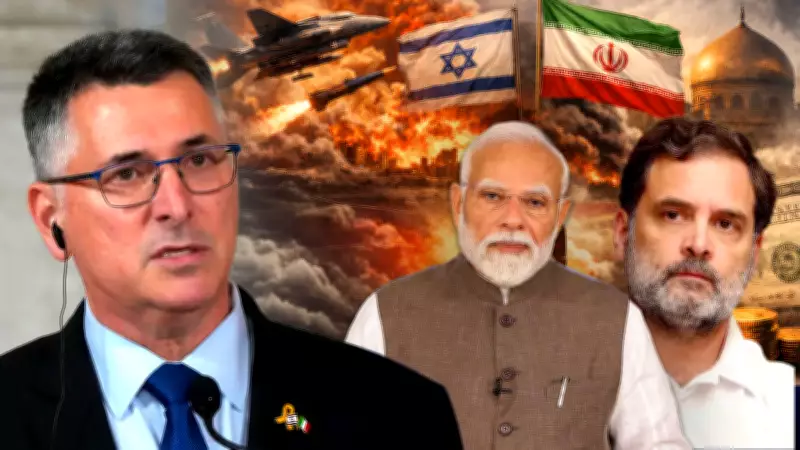
In a significant development at the Raisina Dialogue 2026, Israeli Foreign Minister Gideon Sa'ar has addressed the escalating political discourse in India regarding the government's response to the Middle East conflict. Sa'ar explicitly stated that Prime Minister Narendra Modi was not informed about the military strikes on Iran during his recent visit to Israel. This clarification comes as a direct response to criticism from opposition parties in India, who had raised questions about New Delhi's potential advance knowledge of the attack.
Decision Made After Modi's Departure
Sa'ar explained that the decision to authorize the strikes was taken by the Israeli security cabinet in the early hours of February 28, 2026. This timing was crucial, as it occurred only after Prime Minister Modi had already left Israel. The foreign minister emphasized that the collapse of negotiations between the United States and Iran prompted the swift military action, highlighting the rapid and dynamic nature of security decisions in the region.
Earlier, Israeli Ambassador to India, Reuven Azar, had also corroborated this timeline, stating that no such plan existed during Modi's meetings in Israel. This dual confirmation from senior Israeli officials underscores the lack of prior briefing to the Indian leadership, effectively countering allegations that New Delhi had been aware of the impending strikes.

Context of the Raisina Dialogue and Regional Tensions
The clarification was delivered at the prestigious Raisina Dialogue, an annual geopolitical conference held in New Delhi, which brings together global leaders to discuss international affairs. Sa'ar's remarks not only aimed to set the record straight but also to reinforce the strategic partnership between Israel and India amidst growing regional instability. The Middle East conflict has seen heightened tensions, with this strike marking a critical escalation.
By addressing the issue publicly, Israel seeks to mitigate any diplomatic fallout and maintain transparency with its allies. The incident illustrates how military decisions can unfold rapidly in volatile regions, often without prior notice to visiting dignitaries, even those from key partner nations like India.
Impact on India-Israel RelationsThis clarification is expected to alleviate concerns within India's political landscape, particularly from opposition critics who had questioned the government's handling of the situation. It reaffirms the trust and cooperation between the two nations, emphasizing that Israel values its relationship with India and aims to prevent misunderstandings.
As global attention remains focused on the Middle East, such diplomatic engagements highlight the importance of clear communication in international relations. The event serves as a reminder of the complexities involved in balancing security imperatives with diplomatic courtesy.