Israel Confirms No Prior Briefing for Modi on Iran Strikes
Israeli officials have publicly stated that they did not provide any advance briefing to Indian Prime Minister Narendra Modi regarding their recent military strikes on Iran. This revelation has emerged amidst heightened tensions in the Middle East, where Israel conducted targeted operations against Iranian assets. The absence of a pre-strike notification to a key global leader like Modi underscores the sensitive and often clandestine nature of such military actions.
Diplomatic Protocols and Strategic Silence
The decision by Israel to withhold information from Modi ahead of the strikes raises significant questions about international diplomatic norms. Typically, allied nations or strategic partners might share intelligence or provide heads-up on major military maneuvers, especially those with potential regional or global repercussions. In this instance, Israel's silence suggests a calculated move to maintain operational secrecy, possibly to prevent leaks or preemptive countermeasures by Iran.
India, under Modi's leadership, has maintained a delicate balancing act in the Middle East, fostering strong ties with both Israel and Iran. This neutrality is crucial for India's energy security and regional diplomacy. The lack of briefing might reflect Israel's understanding of India's non-aligned stance, avoiding any perception of favoritism that could complicate New Delhi's relations with Tehran.

Implications for India-Israel Relations
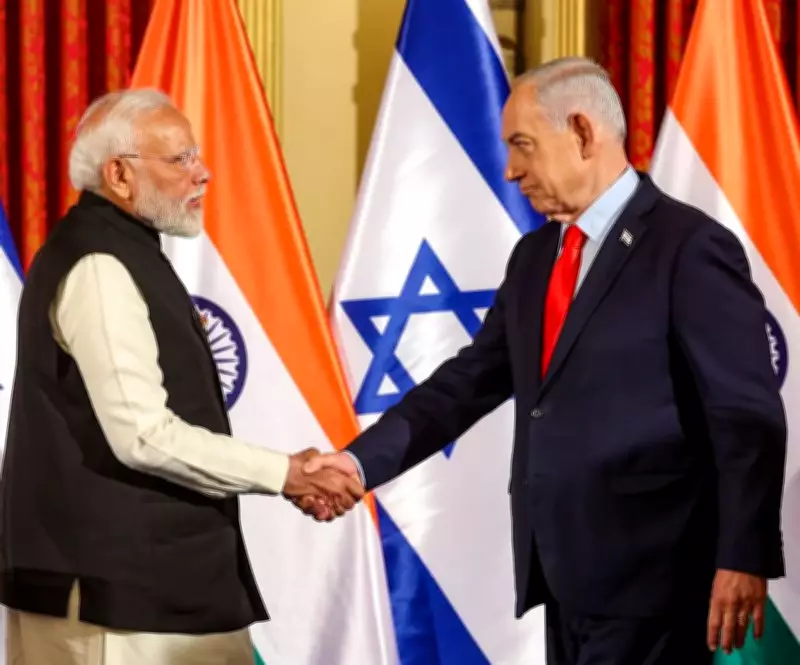
While the absence of a briefing does not necessarily indicate a rift, it highlights the complexities in the India-Israel partnership. The two countries have deepened defense and technological cooperation in recent years, with Modi and Israeli leaders engaging in high-level dialogues. However, this incident shows that even close allies may prioritize operational security over diplomatic courtesy in certain scenarios.
Experts suggest that Israel's action could be seen as a test of trust, but it also opens avenues for future communication enhancements. India might seek clearer protocols for such events to better manage its foreign policy responses. The Modi government has not issued an official reaction, indicating a cautious approach to avoid escalating the situation or appearing to take sides.
Regional and Global Reactions
The strikes on Iran have drawn mixed responses worldwide, with some nations condemning the action and others supporting Israel's right to self-defense. India's response has been measured, calling for restraint and dialogue, which aligns with its broader foreign policy of promoting peace and stability. The lack of prior knowledge might have allowed India to maintain this neutral position without being perceived as complicit.
In the broader context, this episode underscores the volatile nature of Middle East geopolitics, where military actions can unfold with little warning. It also emphasizes the importance of back-channel communications and intelligence sharing among nations to prevent misunderstandings and conflicts.
As tensions continue, observers will watch how India navigates its relationships with both Israel and Iran, balancing strategic interests with diplomatic prudence. The incident serves as a reminder that in international relations, silence can sometimes speak louder than words, shaping alliances and policies in unforeseen ways.