In a significant development for Pakistan's defence exports, Iraq has reportedly expressed strong interest in acquiring Pakistani-made fighter jets and training aircraft. This follows high-level military discussions between the two countries, signaling a potential new chapter in their bilateral defence ties.
High-Level Talks Pave the Way for Defence Cooperation
The interest from Baghdad emerged during an official visit by Pakistan's Air Chief Marshal Zaheer Ahmed Baber Sidhu to Iraq. He held detailed talks with Lieutenant General Staff Pilot Mohanad Ghalib Mohammed Radi Al-Asadi, the Commander of the Iraqi Air Force. The meeting, confirmed by a Pakistan Army statement, focused on strengthening military collaboration across several fronts.
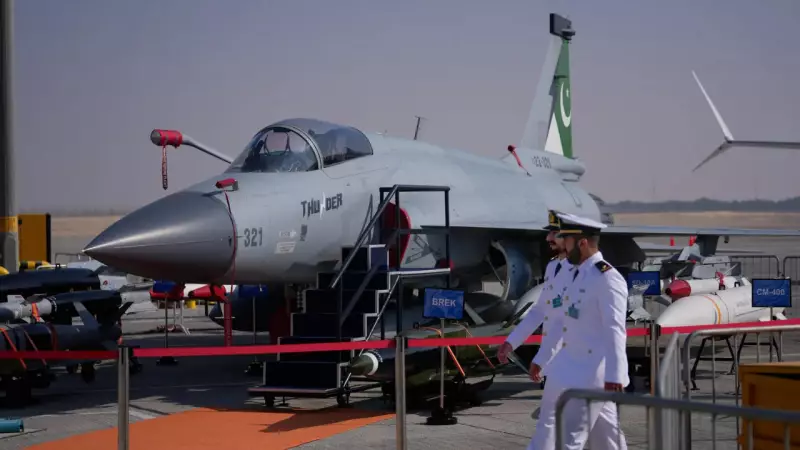
The discussions covered joint training programs, capacity building initiatives, and enhanced operational coordination. According to the statement, the Iraqi air chief commended the professionalism and technological prowess of the Pakistan Air Force (PAF). He specifically showed a desire to benefit from the PAF's training infrastructure and expressed a "keen interest" in the JF-17 Thunder fighter jets and the Super Mushshak trainer aircraft.

Focus on the JF-17 Thunder and Regional Context
The JF-17 Thunder, a single-engine, lightweight multi-role combat aircraft, is a joint venture between China's Chengdu Aircraft Corporation and the Pakistan Aeronautical Complex. Pakistan has actively marketed the jet internationally, often citing its performance during the February 2024 conflict with India, though its effectiveness in that engagement remains a topic of debate among analysts.
This outreach to Iraq is part of a broader push by Islamabad to secure defence export deals. It comes just days after similar talks between the air chiefs of Pakistan and Bangladesh regarding the "potential procurement" of JF-17 jets by Dhaka, though Bangladesh has not officially confirmed any plans. Pakistan's Defence Minister, Khawaja Asif, recently claimed that interest in the country's fighter aircraft has surged following the May 2025 military standoff with India.
Reports suggest Pakistan is also exploring potential defence agreements with other nations, including Saudi Arabia. This export drive is seen as crucial for Pakistan, which faces ongoing financial pressures. The country has repeatedly sought support from the International Monetary Fund (IMF), receiving a $7 billion bailout in September 2024 and an additional $1.4 billion loan in May 2025.
Agreements and Future Prospects
Beyond the expressed interest in aircraft, the two air forces agreed to pursue concrete steps to deepen their relationship. Both sides committed to organizing joint exercises and training initiatives. The primary goal of these efforts is to improve interoperability between the Iraqi and Pakistani air forces, allowing them to work together more seamlessly in potential future collaborations.
This development marks a notable attempt by Pakistan to expand its footprint in the global defence market. Whether the expressed interest from Iraq translates into a firm contract will depend on subsequent negotiations, financing arrangements, and regional geopolitical considerations. The outcome will be closely watched as an indicator of the competitiveness of Pakistan's defence industry on the world stage.