Iranian President Condemns Trump's Nuclear Restrictions
In a sharp rebuke, Iranian President Masoud Pezeshkian has publicly criticized former United States President Donald Trump for imposing stringent nuclear restrictions on Iran. Pezeshkian questioned Trump's authority to deprive Iran of its sovereign rights, highlighting ongoing tensions over the nuclear deal.
Pezeshkian's Strong Statement
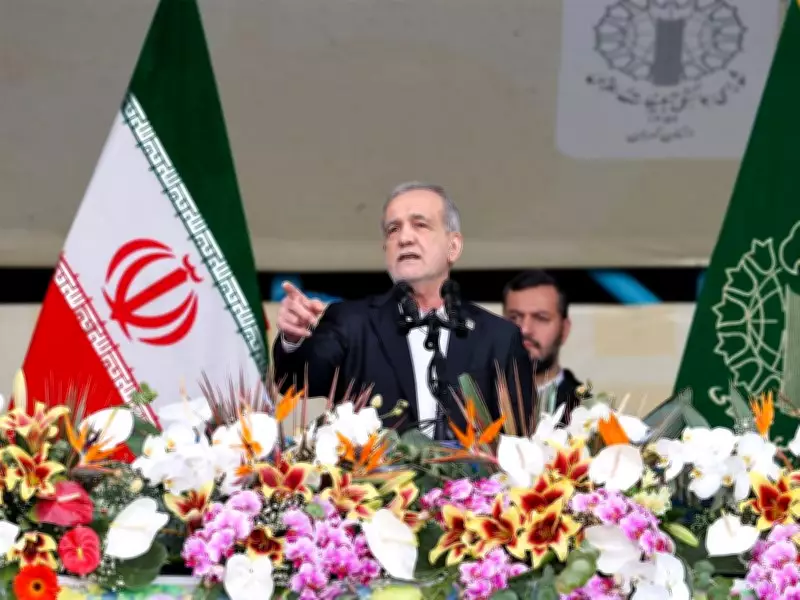
President Masoud Pezeshkian, during a recent address, directly targeted Trump's policies, stating, "Who is he to deprive a nation of its rights?" This remark underscores Iran's firm stance against what it perceives as unjust external interference in its nuclear program. Pezeshkian emphasized that Iran, as a sovereign state, has the right to pursue peaceful nuclear energy under international law.
Background on Nuclear Restrictions
The controversy stems from the 2015 Joint Comprehensive Plan of Action (JCPOA), commonly known as the Iran nuclear deal, which aimed to curb Iran's nuclear activities in exchange for sanctions relief. In 2018, President Trump unilaterally withdrew the US from the agreement and reimposed harsh sanctions, citing concerns over Iran's compliance and regional behavior. These actions have severely impacted Iran's economy and fueled diplomatic strife.

Implications for International Relations
Pezeshkian's comments reflect broader geopolitical tensions, with Iran seeking to reassert its position amid stalled negotiations to revive the JCPOA. The statement may influence future diplomatic efforts, as Iran continues to demand the lifting of US sanctions as a precondition for any nuclear concessions. Experts note that such rhetoric could complicate talks with current US administrations and other world powers involved in the deal.
Iran's Nuclear Rights and Sovereignty
Iran maintains that its nuclear program is for civilian purposes, such as energy production and medical research, and it accuses the US of overstepping by imposing restrictions. Pezeshkian's speech reinforces Iran's commitment to defending its national interests, potentially rallying domestic support while signaling defiance to external pressures. The situation remains a critical issue in Middle Eastern politics and global non-proliferation efforts.