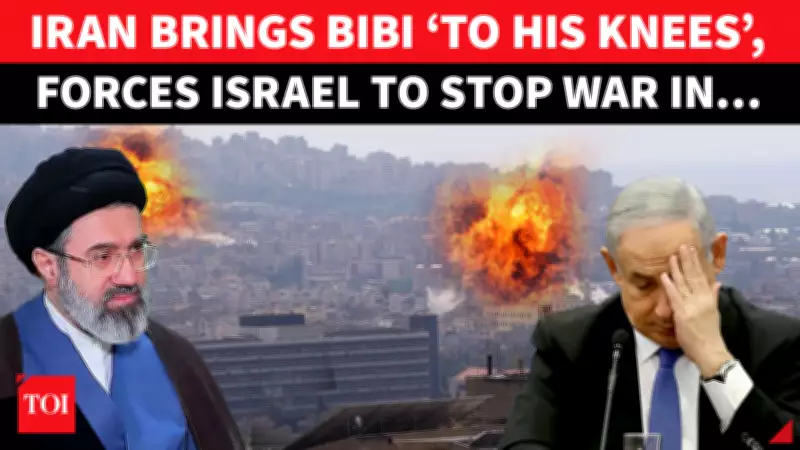
Iran's Walkout Card 'Scares' Trump, 'Forces' Israel To Stop Beirut Strikes As Truce Teeters | Report
A high-stakes diplomatic standoff is intensifying in the Middle East, with Iran reportedly deploying its "walkout card" to exert pressure on the United States and Israel amid escalating military actions targeting Beirut. As a fragile ceasefire hangs by a thread, Tehran has issued a stark warning that it could withdraw from crucial negotiations if attacks on Lebanon persist. This bold maneuver appears to have contributed to a temporary pause in strikes on the Lebanese capital, even as hostilities continue to flare in other regions.
Diplomatic Pressure and Military Pause
According to recent reports, Iran's threat to exit talks has sent shockwaves through international diplomatic circles, particularly affecting the Trump administration. The pressure tactic is seen as a strategic move to curb Israeli military operations in Beirut, which have been a focal point of recent conflicts. This development highlights the increasingly intertwined nature of military action and diplomacy, with global powers racing against time to prevent a broader regional war.
The situation remains precarious, with the ceasefire teetering on the brink of collapse. Analysts suggest that Iran's walkout card serves as a critical leverage point, forcing both the U.S. and Israel to reconsider their strategies. The pause in Beirut strikes, while temporary, underscores the effectiveness of such diplomatic threats in de-escalating immediate hostilities.

Global Reactions and Ongoing Tensions
In response to Iran's actions, there has been a flurry of reactions from various international actors. For instance, NATO allies are reportedly facing fury from Trump over the Iran war, with the U.S. president vowing "punishment" for perceived provocations. Additionally, Iran-backed fighters have launched deadly missile storms on Israeli bases, citing revenge for Lebanon, further complicating the fragile truce.
Other notable developments include:
- Italy's Meloni withdrawing support from Israel and backing Lebanon, while slamming Netanyahu for what she termed "unprovoked" attacks.
- The U.S. summoning the Iraqi ambassador after diplomats were ambushed by Iran-linked fighters in Iraq.
- Turkish Foreign Minister blaming Israel for Middle East conflicts, labeling actions in Gaza as a "genocide now in Lebanon."
These events illustrate the complex web of alliances and conflicts that define the current geopolitical landscape. The question on everyone's mind is whether the truce will hold or collapse under the weight of rising tensions.
Implications for Future Diplomacy
The use of Iran's walkout card sets a precedent for how diplomatic tools can influence military decisions in high-conflict zones. As global powers navigate this delicate situation, the outcome could shape future negotiations and conflict resolution efforts in the Middle East. The ongoing standoff serves as a stark reminder of the volatile interplay between diplomacy and warfare, with the potential for either a breakthrough or a breakdown in peace efforts.
Ultimately, the fate of the ceasefire rests on the ability of all parties to engage in meaningful dialogue and compromise. As tensions simmer, the world watches closely to see if diplomacy can prevail over escalation.