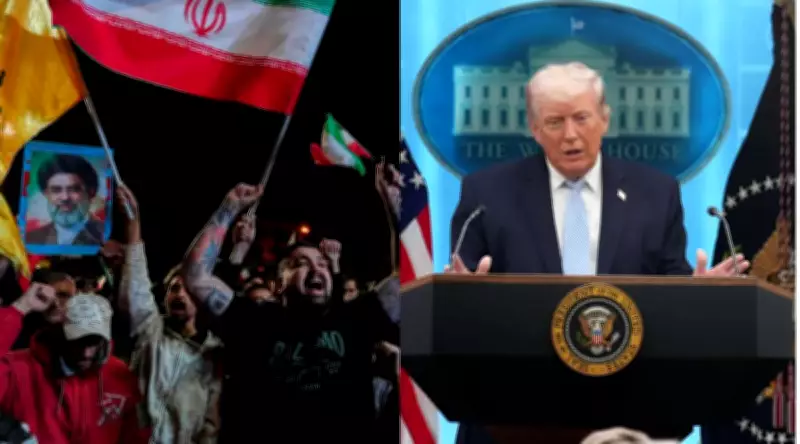
Iran and US Declare Ceasefire After Intensive Islamabad Negotiations
In a significant diplomatic breakthrough, Iran and the United States have officially announced a ceasefire, set to take effect in 2026. This landmark agreement was finalized during high-stakes talks held in Islamabad, Pakistan, marking a pivotal moment in the long-standing tensions between the two nations.
Final Talks in Islamabad Seal the Deal
The negotiations, which concluded in Islamabad, involved top-level officials from both Iran and the US. These discussions focused on de-escalating military activities, particularly in the strategically vital Strait of Hormuz. The talks aimed to address core issues that have fueled conflicts, with both sides demonstrating a renewed commitment to peaceful resolution.
Key aspects of the ceasefire include:

- A mutual agreement to halt all hostile military actions starting in 2026.
- Enhanced diplomatic channels to prevent future escalations.
- Collaborative efforts to ensure stability in the Strait of Hormuz region.
Strait of Hormuz: A Flashpoint for Tensions
The Strait of Hormuz has been a critical area of concern, with Iranian military presence often leading to heightened tensions with US forces. This narrow waterway is essential for global oil shipments, making its security a priority for international stakeholders. The ceasefire directly addresses these concerns by reducing military posturing and promoting cooperative security measures.
Analysts note that this agreement could significantly lower the risk of accidental clashes in the region, benefiting global trade and energy markets.
What Comes Next: Implementation and Challenges
With the ceasefire announced, attention now shifts to its implementation. Both nations are expected to establish joint monitoring mechanisms to ensure compliance. However, challenges remain, including potential opposition from hardline factions and the need for ongoing diplomatic engagement to sustain the peace.
Future steps may involve:
- Regular bilateral meetings to address any violations or concerns.
- International oversight to build trust and transparency.
- Economic and political incentives to reinforce the ceasefire terms.
This development follows years of intermittent conflicts and proxy wars, highlighting a potential shift toward dialogue over confrontation. The success of this ceasefire could set a precedent for resolving other regional disputes, emphasizing the role of diplomacy in international relations.