Iran Issues Stark Warning To Close Strait Of Hormuz Amid US Pressure
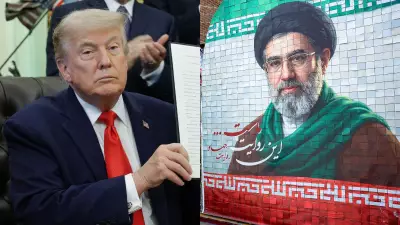
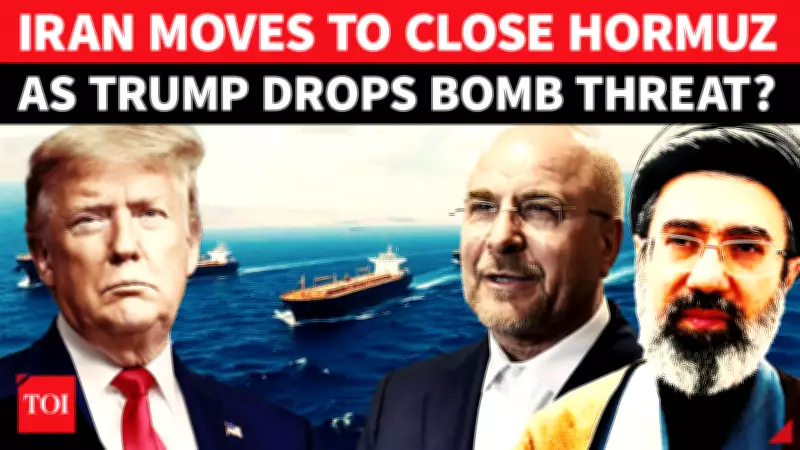
A sharp escalation in geopolitical tensions has emerged following remarks by former US President Donald Trump regarding the Strait of Hormuz. Iranian Parliament Speaker Mohammad Bagher Ghalibaf has responded with a fierce warning, threatening to shut down this critical maritime passage in retaliation against continued American pressure.
Trump's Declaration And Iran's Forceful Retort
The controversy ignited when Donald Trump declared that the Strait of Hormuz remains open, even as the United States maintains its naval blockade on Iranian ports. This statement prompted an immediate and forceful response from Tehran's leadership.
Mohammad Bagher Ghalibaf, a prominent figure in Iran's political establishment, delivered a clear message: any future passage through the strait would require explicit Iranian authorization. This represents a significant shift in rhetoric, signaling Tehran's intent to assert direct control over movement in this strategically vital region.

The Strategic Importance Of Hormuz
The Strait of Hormuz serves as one of the world's most crucial maritime chokepoints, with approximately 20% of global crude oil flowing through its narrow waters. Any disruption to this transit route would have immediate and severe consequences for international energy markets and global economic stability.
Ghalibaf emphasized this strategic leverage in his remarks, making it clear that Iran views control over Hormuz as a powerful bargaining chip in its ongoing confrontation with Washington.
Accusations Of Media Warfare And False Claims
In a series of pointed comments, the Iranian parliament speaker accused Trump of disseminating false information and attempting to manipulate global opinion through what he termed "media warfare." Ghalibaf dismissed the American position as fundamentally ineffective, warning that such approaches would prove unsuccessful both in military engagements and diplomatic negotiations.
The Iranian official characterized Washington's tactics as destined for failure, asserting that pressure campaigns would not achieve their intended objectives against Tehran's resolve.
Broader Regional Implications
This exchange occurs against a backdrop of heightened regional tensions and represents the latest chapter in the long-standing adversarial relationship between the United States and Iran. The threat to close the Strait of Hormuz marks one of the most serious escalations in recent diplomatic rhetoric between the two nations.
Analysts note that such warnings carry significant weight given Iran's geographical position and military capabilities in the Persian Gulf region. The situation underscores the fragile balance of power in one of the world's most strategically important waterways.
Looking Ahead: Potential Consequences
Should Iran follow through on its threat to restrict access to the Strait of Hormuz, the international community would face immediate challenges to energy security and maritime trade. The warning serves as a stark reminder of how regional tensions can quickly translate into global economic concerns.
This development highlights the ongoing volatility in US-Iran relations and the potential for rhetorical exchanges to escalate into more concrete actions with far-reaching consequences for international stability and energy markets worldwide.