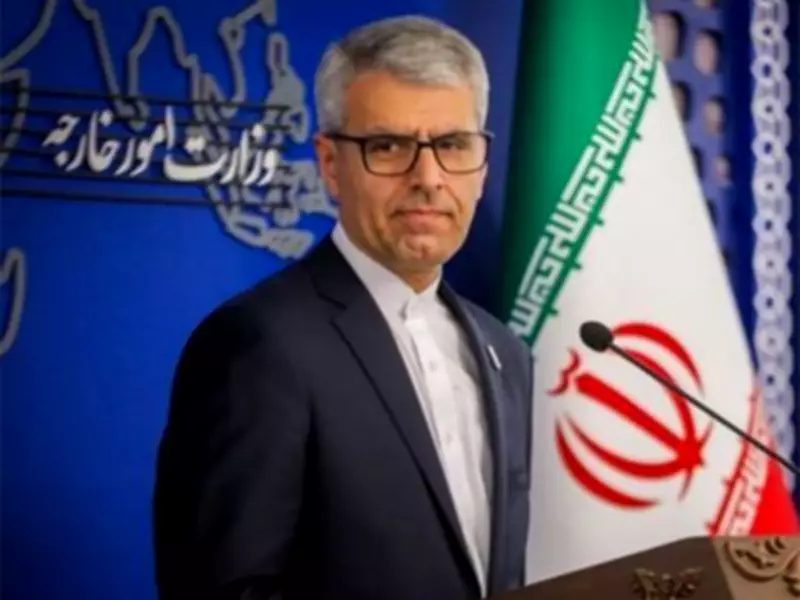
Iran's Foreign Ministry Declares No Future Negotiations with the United States
In a significant diplomatic development, Iran's Foreign Ministry has confirmed that there are currently no plans for any subsequent round of negotiations with the United States. This announcement comes after recent interactions between the two nations, highlighting ongoing tensions and the complex state of their bilateral relations.
Official Statement from Iranian Authorities
The Foreign Ministry of Iran issued a clear statement, emphasizing that no further talks are scheduled with the U.S. government. This move underscores Iran's current stance on diplomatic engagements, which appears to be one of caution or reluctance to engage in additional discussions at this time.
The ministry's declaration is seen as a firm response to recent diplomatic overtures or potential proposals from the United States. It reflects the broader geopolitical dynamics in the region, where Iran has been navigating various international pressures and sanctions.

Context of Recent Diplomatic Engagements
This announcement follows a period of diplomatic activity between Iran and the United States, which may have included previous rounds of negotiations or talks aimed at addressing issues such as nuclear agreements, regional security, or economic sanctions. The lack of plans for future negotiations suggests a potential stalemate or shift in Iran's foreign policy approach.
Experts note that this development could impact international efforts to resolve conflicts or promote stability in the Middle East. It may also influence the strategies of other global powers involved in the region.
Implications for Bilateral Relations
The absence of planned negotiations raises questions about the future trajectory of U.S.-Iran relations. Key points to consider include:
- Diplomatic Stalemate: This could signal a pause or halt in diplomatic dialogue, potentially leading to increased tensions.
- Regional Stability: The decision may affect security dynamics in the Middle East, where Iran plays a significant role.
- International Reactions: Other countries and international organizations are likely to monitor this development closely, as it could influence broader geopolitical strategies.
Iran's Foreign Ministry has not provided specific reasons for this decision, but it aligns with the country's historical approach to foreign policy, which often prioritizes sovereignty and resistance to external pressures.
Looking Ahead
While no further negotiations are planned at present, the situation remains fluid. Changes in leadership, international events, or shifts in policy could potentially reopen diplomatic channels in the future. For now, the announcement serves as a clear indicator of Iran's current diplomatic priorities and its stance towards the United States.
This development is part of a larger narrative of U.S.-Iran relations, which have been marked by periods of confrontation and limited engagement over the years. Observers will continue to watch for any updates or changes in this stance from Iranian authorities.