Iran Backs Down on Executions Under US Pressure, Avoiding Immediate Conflict
Iran appears to have avoided immediate American military strikes by making a crucial pledge. The country promised not to execute protesters following direct pressure from United States President Donald Trump. This development marks a significant de-escalation in tensions that had been building rapidly over the past week.
Trump Announces Shift in Iranian Crackdown
President Trump addressed reporters on Wednesday with notable news. He stated he had received information indicating that "the killing in Iran is stopping." The American leader expressed clear sentiment about the situation. He added he would become "very upset" if the violent crackdown against demonstrators continued inside Iran.
This statement represented a dramatic change from his earlier position. Earlier in the week, Trump had encouraged Iranian citizens to continue their protests. He had promised them that American "help is on the way." The reversal followed Iran's public commitment against using capital punishment for protesters.

Judiciary Spares Protester, Foreign Minister Makes Public Guarantee
Iran's judiciary made a specific ruling on Wednesday. Officials ruled out imposing a death sentence on twenty-six-year-old Erfan Soltani. Activists had identified Soltani as facing imminent execution risk for his protest activities.
Iranian Foreign Minister Abbas Araghchi gave a televised interview the same day. He spoke on Fox News, a channel President Trump consistently favors. Araghchi used this platform to deliver a clear message to Washington.
"Hanging is out of the question," the foreign minister declared during his appearance on Special Report with Bret Baier. He provided additional assurance about government intentions. "I haven't heard about that, and there's no hanging today, tomorrow, or whatever. I can tell you, I'm confident about that. There's no plan for hanging at all."
President Trump responded positively to this development on Thursday. He posted on Truth Social, calling Iran's decision "good news." He expressed hope that this restraint "will continue." The Iranian statements appeared to directly address Trump's earlier warning. The president had threatened "very strong action" if Iran proceeded with executions.
Oil Markets React to Reduced Conflict Fears
The reduced likelihood of immediate military confrontation brought swift reactions in global markets. Oil prices fell for the first time in six consecutive trading days. Concerns eased about potential disruptions to crude supplies from Iran and Arab Gulf states.
Brent crude dropped sharply on Thursday. The decline reached as much as four point six percent during the trading session. This marked the most significant single-day drop since November. The decrease pared gains of approximately eleven percent accumulated over the previous week.
Regional Diplomacy and Airspace Reopening
Turkey's Foreign Minister Hakan Fidan commented on the situation Thursday. He stated Turkey opposes any military intervention against Iran. Fidan expressed hope that Tehran and Washington could resolve their differences through diplomatic dialogue. He warned that instability in Iran would exceed the region's capacity to manage effectively.
Flight tracking data from FlightRadar24 showed commercial flights resuming over Iranian airspace. The country had temporarily closed its airspace earlier. Iran's Civil Aviation Organization confirmed both inbound and outbound flights were operating normally again. The semi-official Tasnim news agency reported this return to standard operations.
How Tensions Escalated and Protests Developed
A series of alarming developments on Wednesday had suggested Washington and Tehran were nearing direct conflict. Iran closed its airspace temporarily amid reports of US troop movements. American forces partially redeployed from bases in Qatar and other regional locations.
The United Kingdom announced it was temporarily closing its embassy in Iran. Regional tensions remained elevated despite the recent de-escalation. The possibility of renewed flare-ups, including potential US intervention, still exists according to analysts.

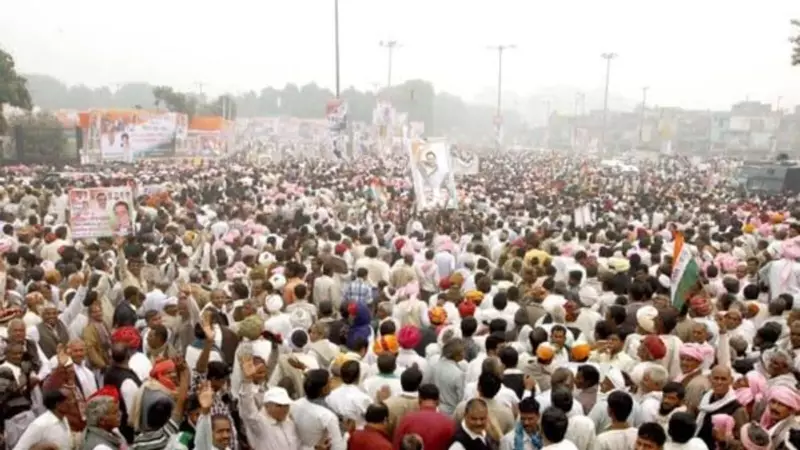
Protests in Iran have visibly receded since last week's peak. Hundreds of thousands of citizens had taken to streets nationwide then. They demonstrated against the regime of Supreme Leader Ayatollah Ali Khamenei. Iranian authorities claim they have reestablished control over the situation.
Government officials accuse the United States and Israel of fueling unrest. They claim these countries armed terrorists who killed civilians. State television coverage now focuses on pro-government rallies and state-planned public funerals. A nationwide internet blackout continues, severely hampering independent reporting from inside the country.
Mounting Death Toll and Detention Numbers
Human rights groups continue reporting a rising death toll from the demonstrations. The protests began in late December and escalated dramatically last week. The Oslo-based Iran Human Rights organization provided a stark assessment.
They stated at least three thousand four hundred twenty-eight protesters have died. This figure represents Tehran's deadliest crackdown on dissidents in decades. Rights groups also report more than eighteen thousand people have been detained. Fears persist about large-scale enforcement of the death penalty despite recent assurances.
Araghchi Advocates Diplomacy Over Military Action
Foreign Minister Araghchi reiterated Iran's preference for diplomatic solutions during his interview. "Diplomacy is much better than war," he emphasized. He pushed back strongly against additional American strikes, referencing recent history.
"Do not repeat the same mistake that you did in June. If you try a failed experience, you will get the same result," Araghchi warned. He referred to negotiations between Iranian and American officials that collapsed in June.
Those Oman-mediated talks focused on Tehran's atomic activities. They ended abruptly when Israel began airstrikes. Iran responded to that breakdown by striking a US air base in Qatar. The country also banned international nuclear inspectors from examining its sites.
This ban leaves the whereabouts of a stockpile of near bomb-grade uranium unknown. The situation creates ongoing nonproliferation concerns within the international community.